Rail Infrastructure Photography for ARTC
Client:
Australian Rail Track Corporation (ARTC)
Locations:
Multiple rail corridors across NSW
Usage:
Internal communications, annual reporting, image library
Constraints:
Live rail operations, strict PPE requirements, low-light environments
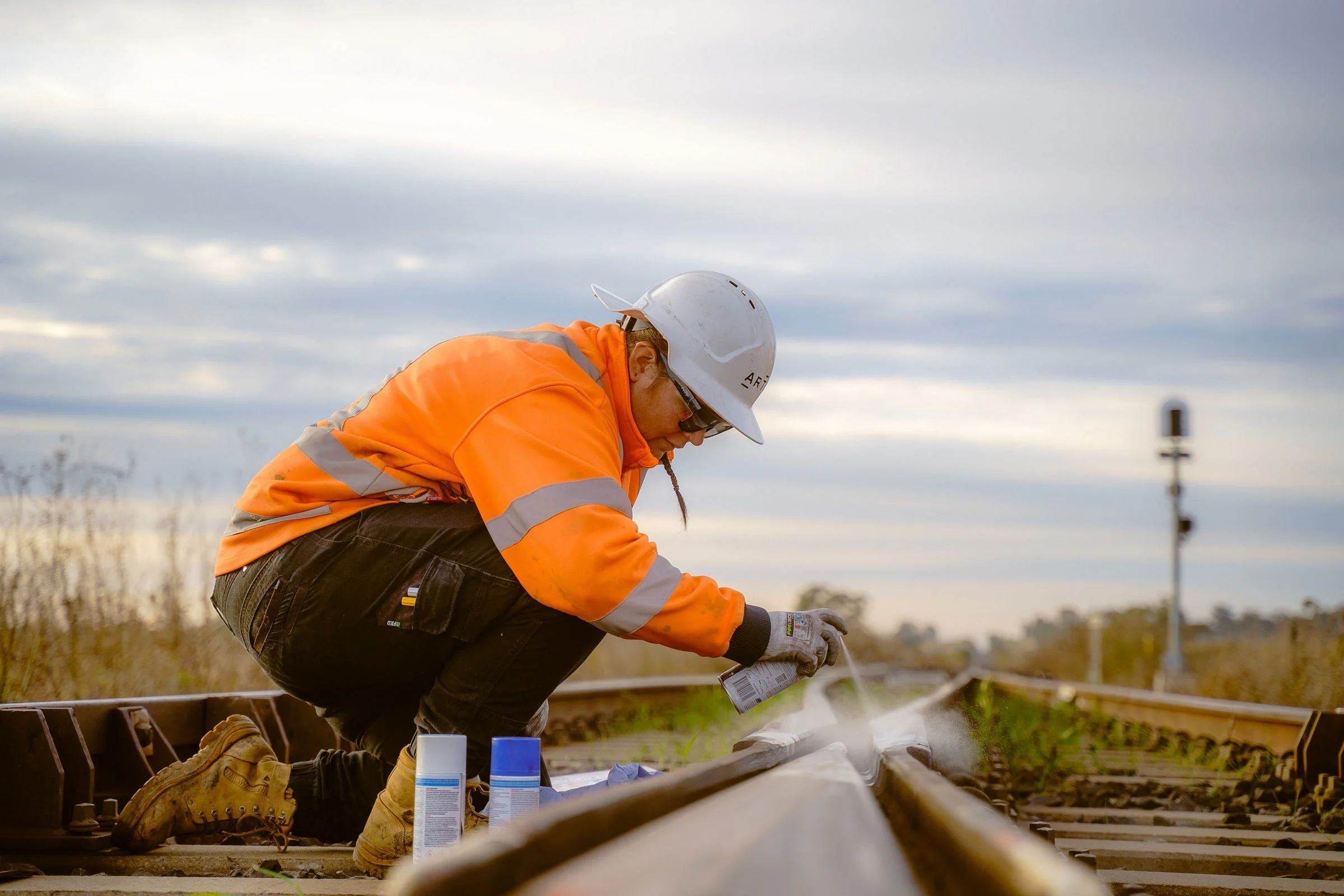
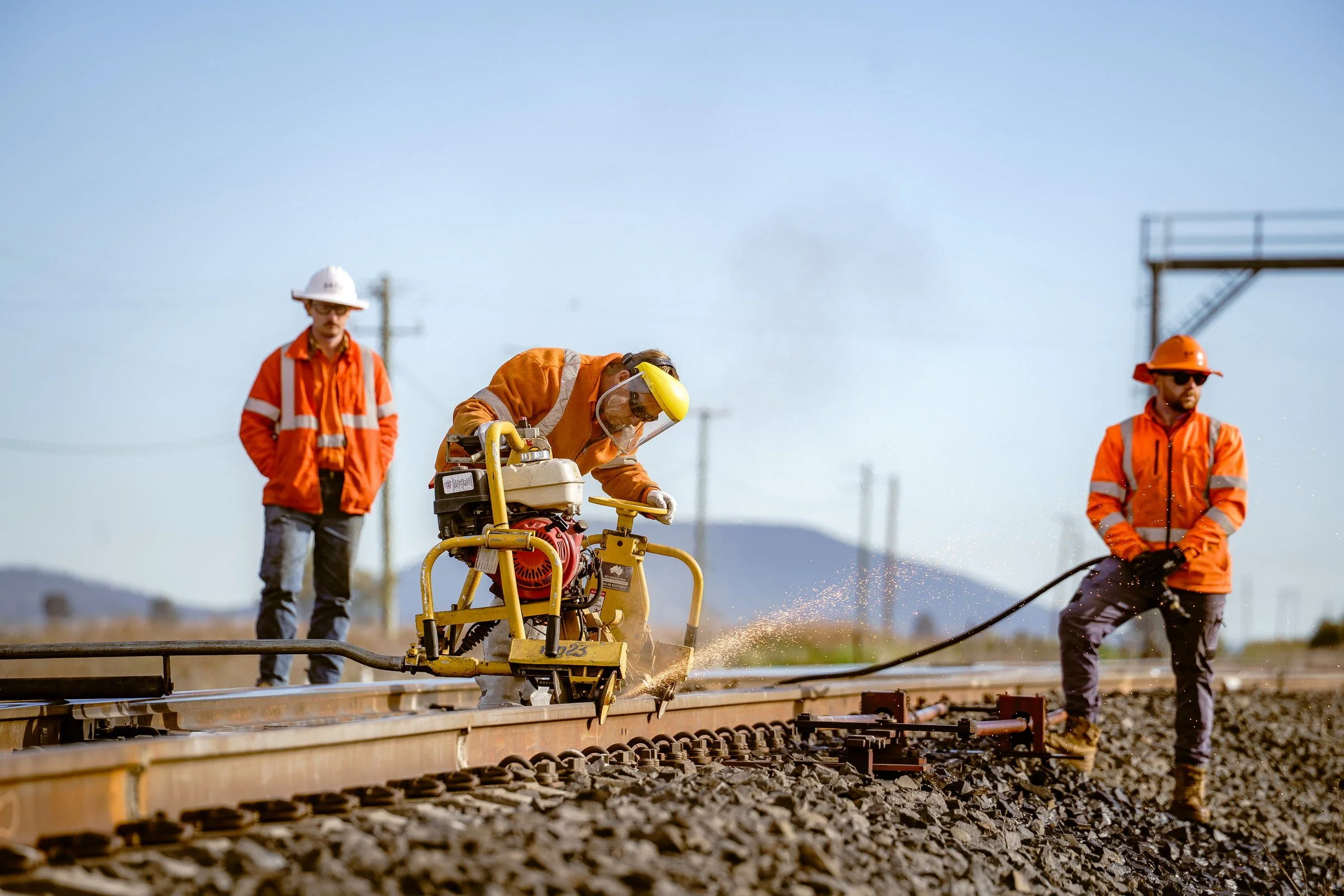
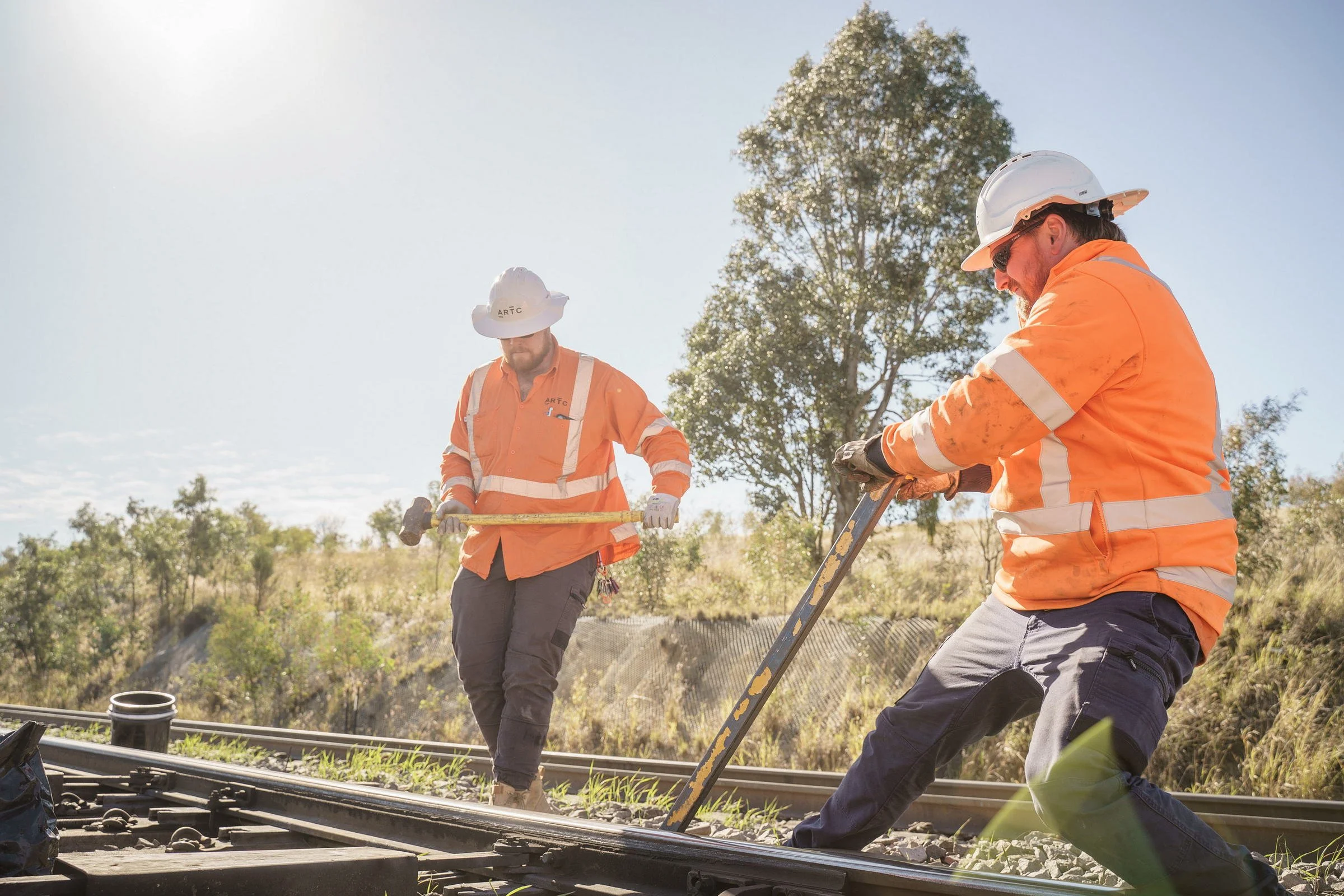
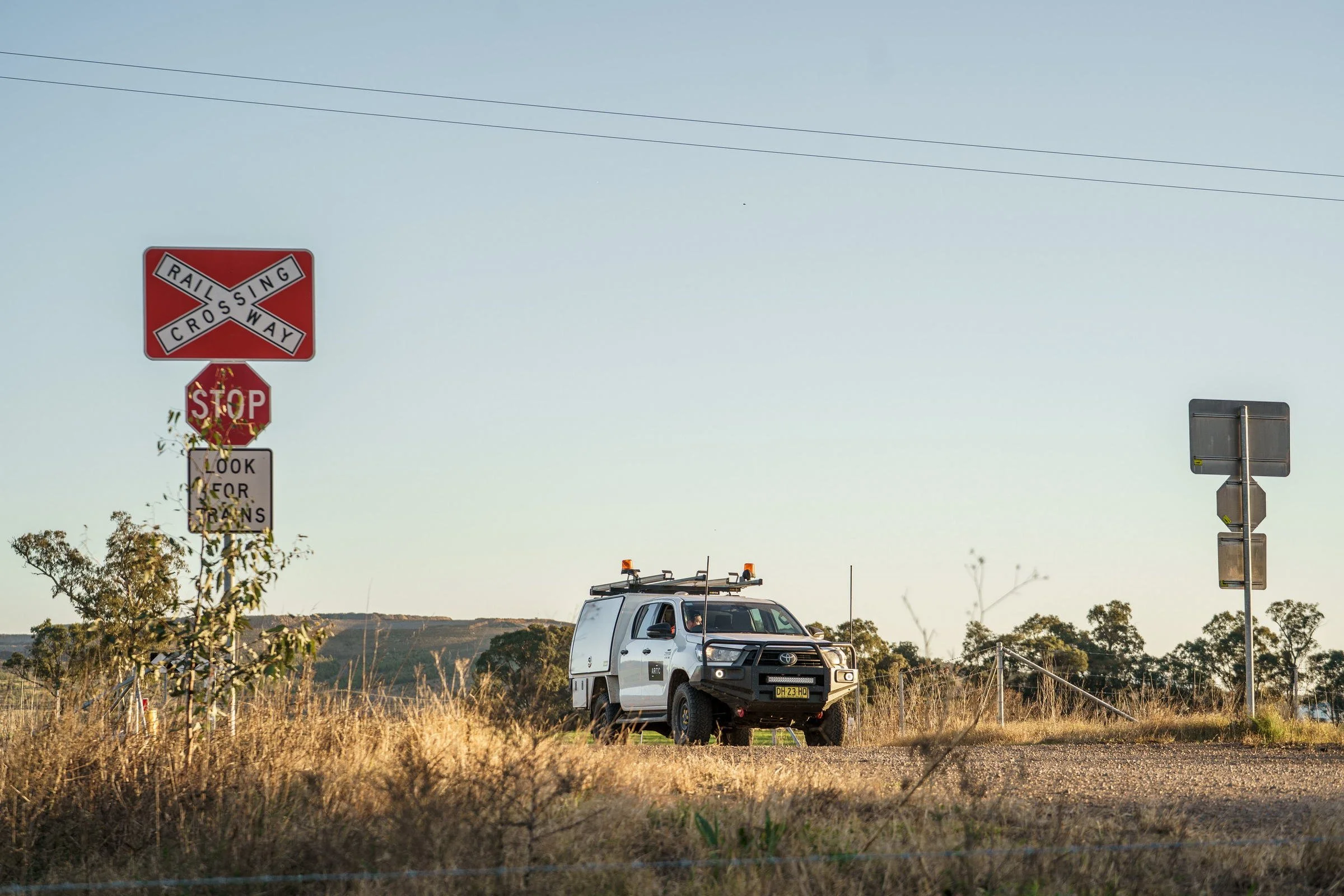
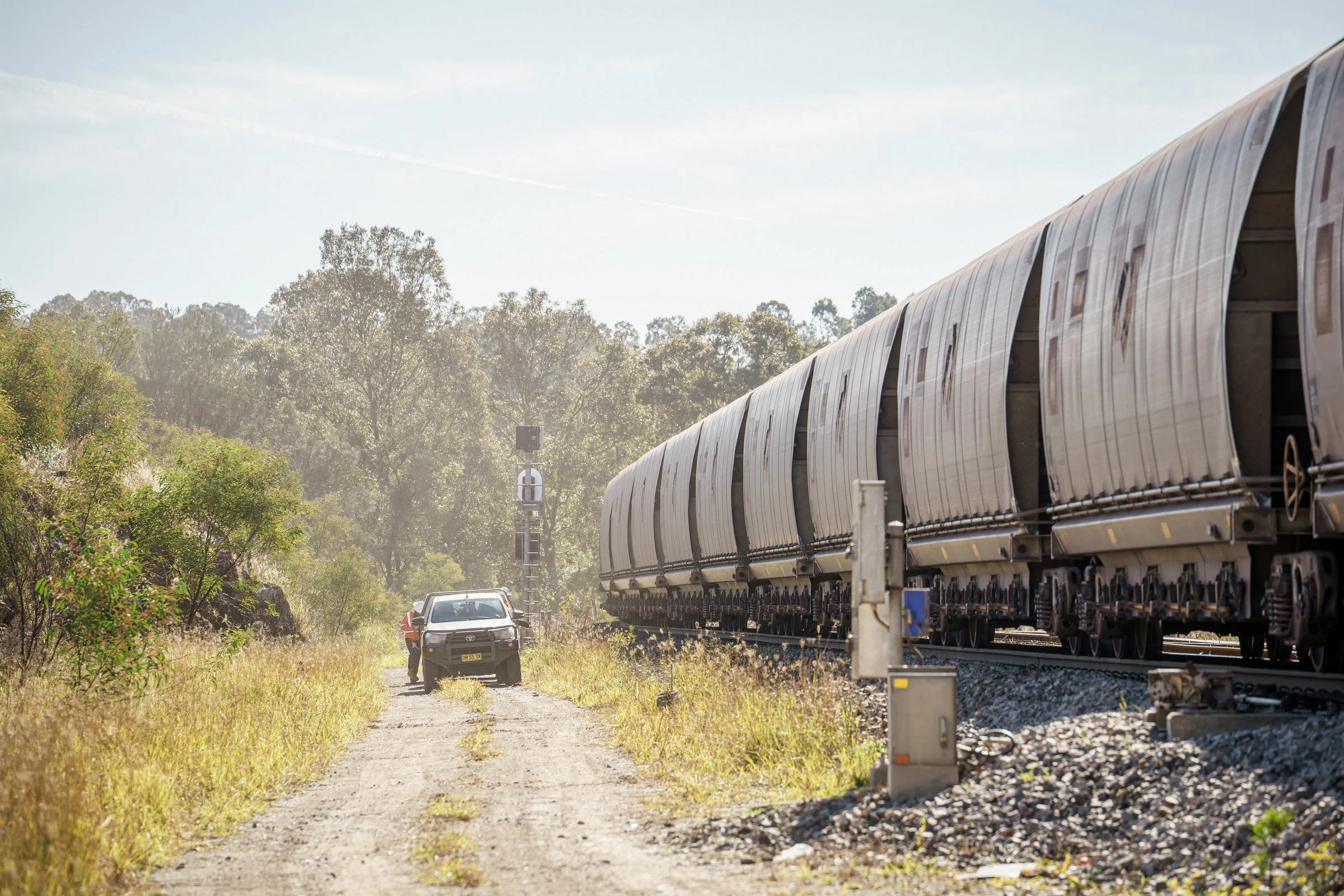
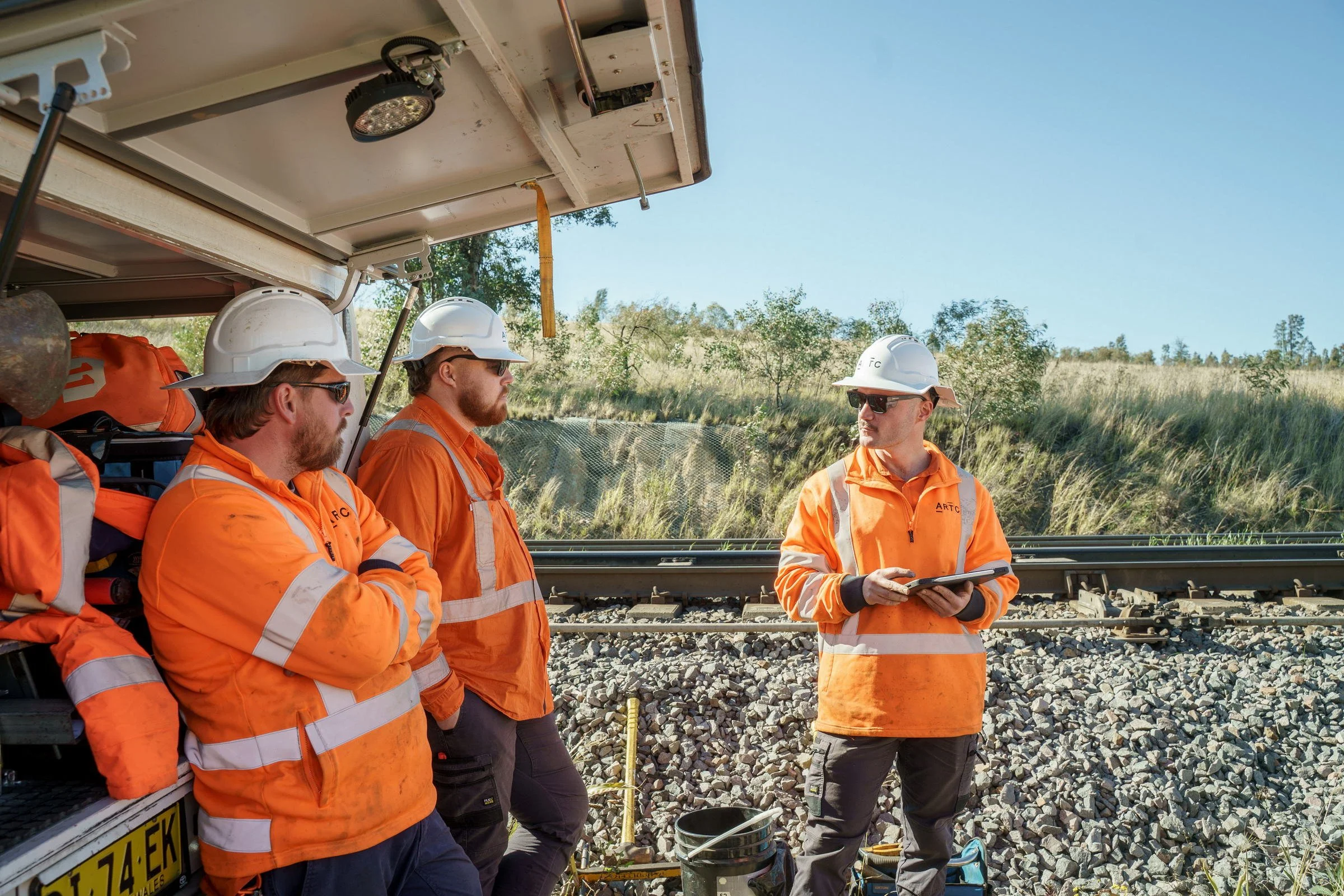
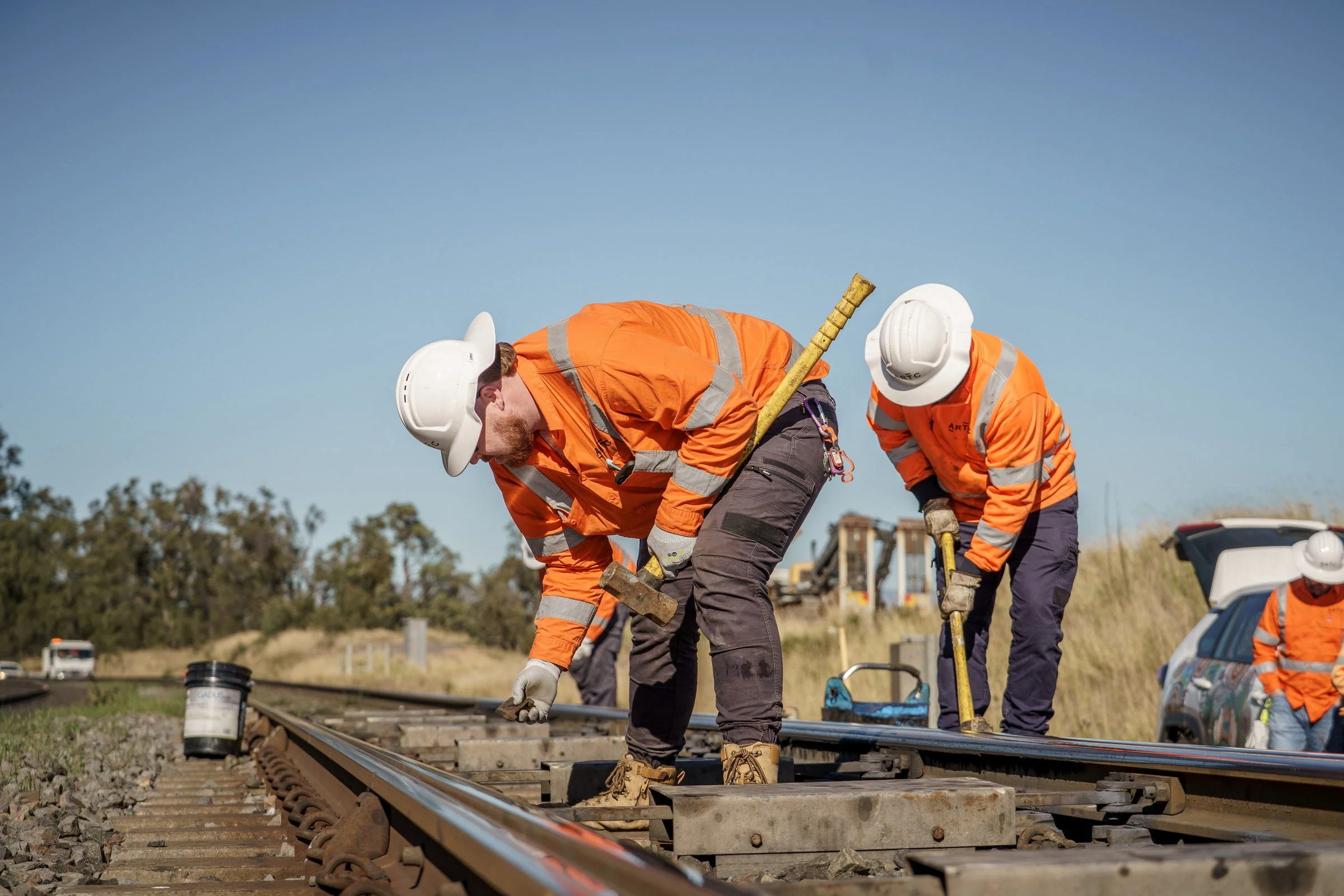
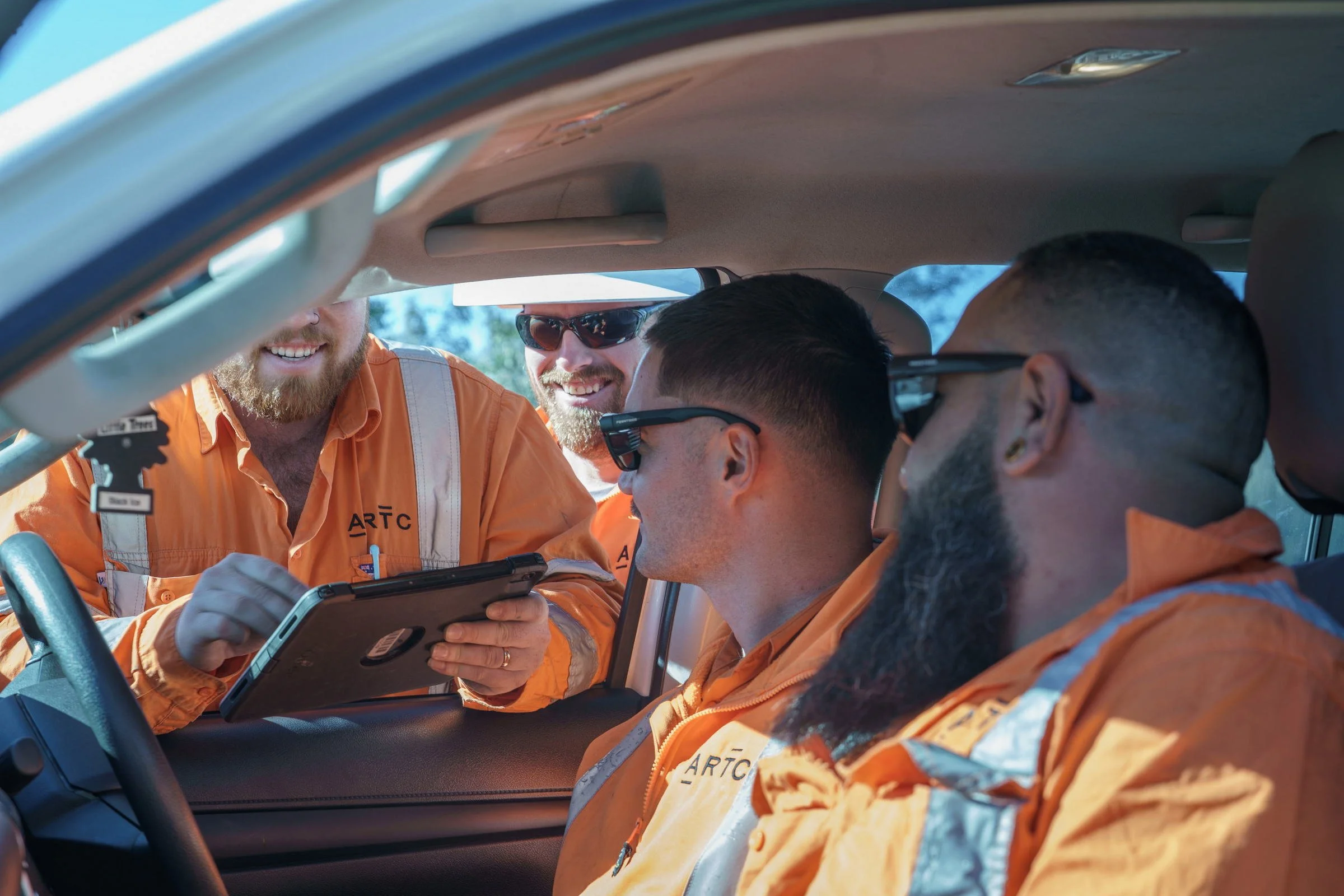
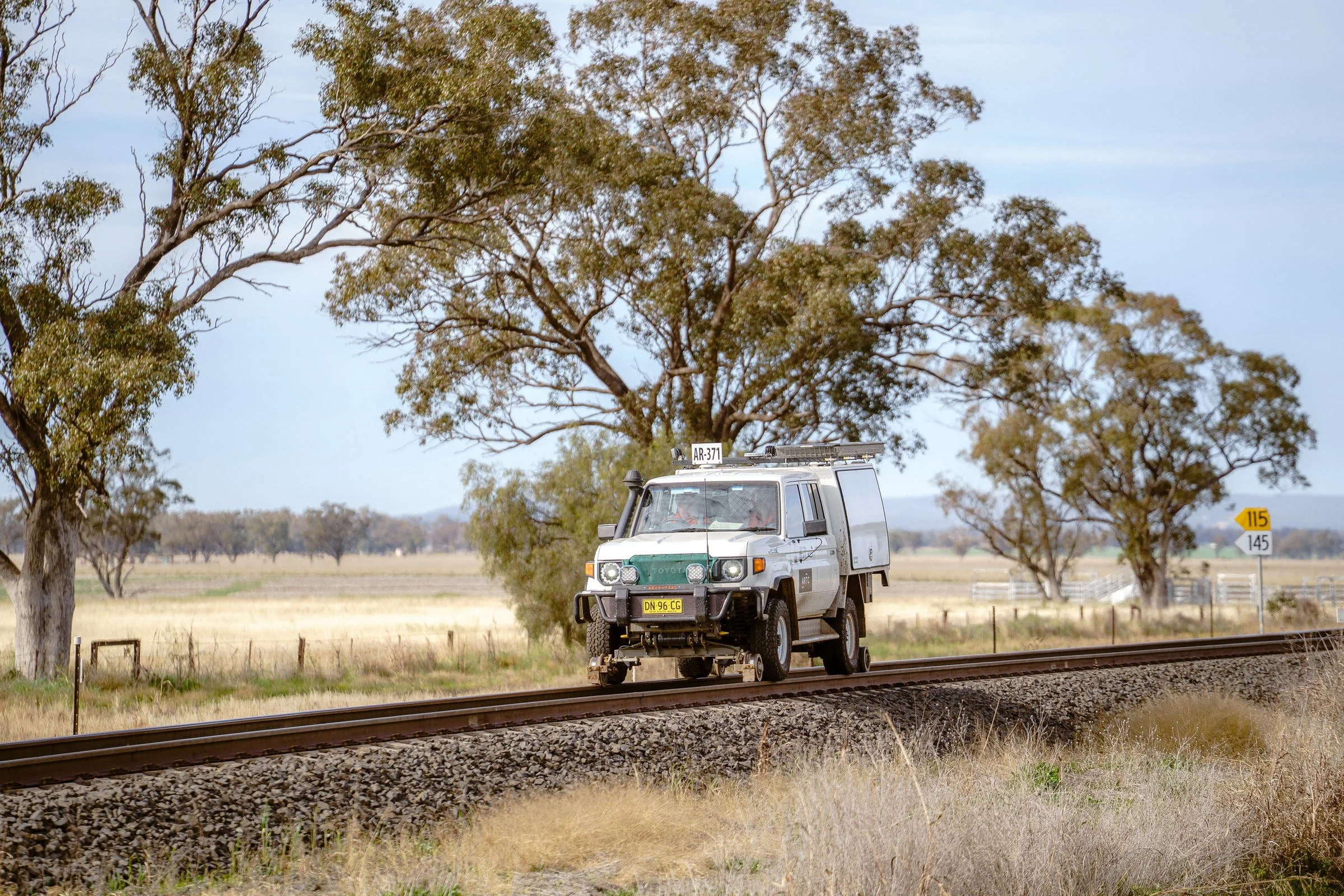
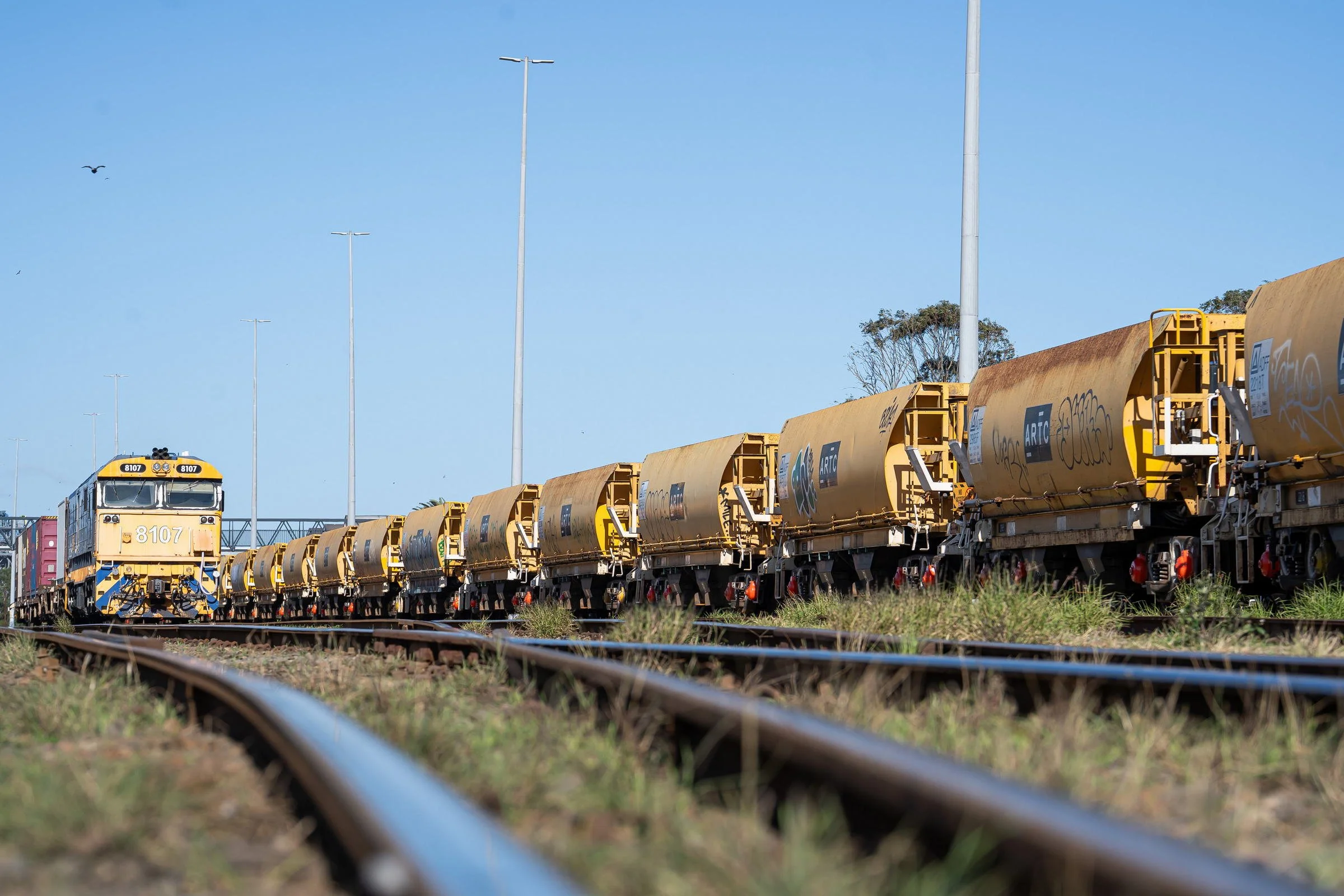
ARTC commissioned a multi-day rail infrastructure photography project across several NSW locations to update its image library and support internal communications and reporting. The brief required working safely within live rail environments while capturing authentic, unposed operational imagery.
The project spanned three days across multiple towns, with photography undertaken during active rail operations and within tightly controlled access windows.
Documenting Live Rail Operations Safely
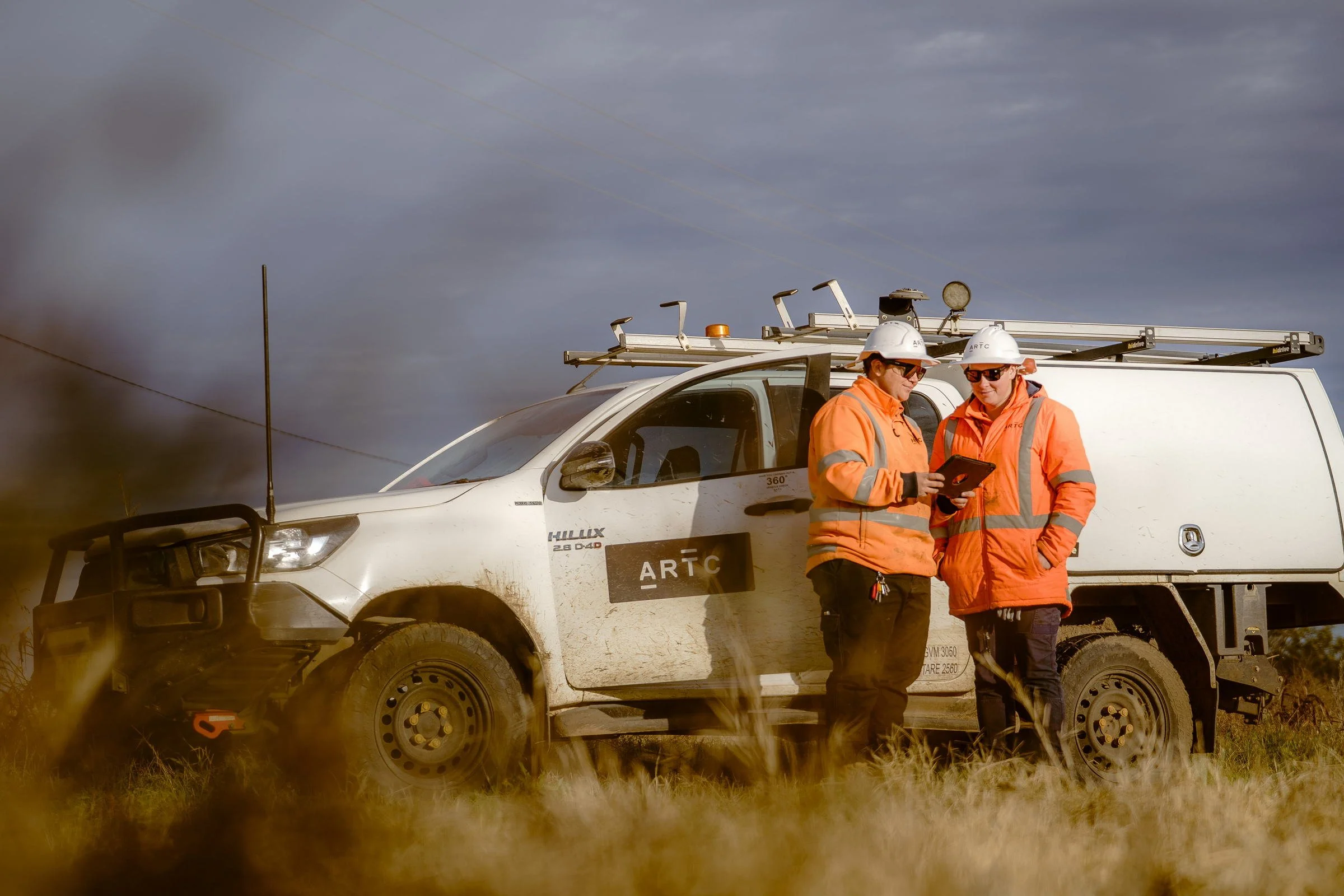
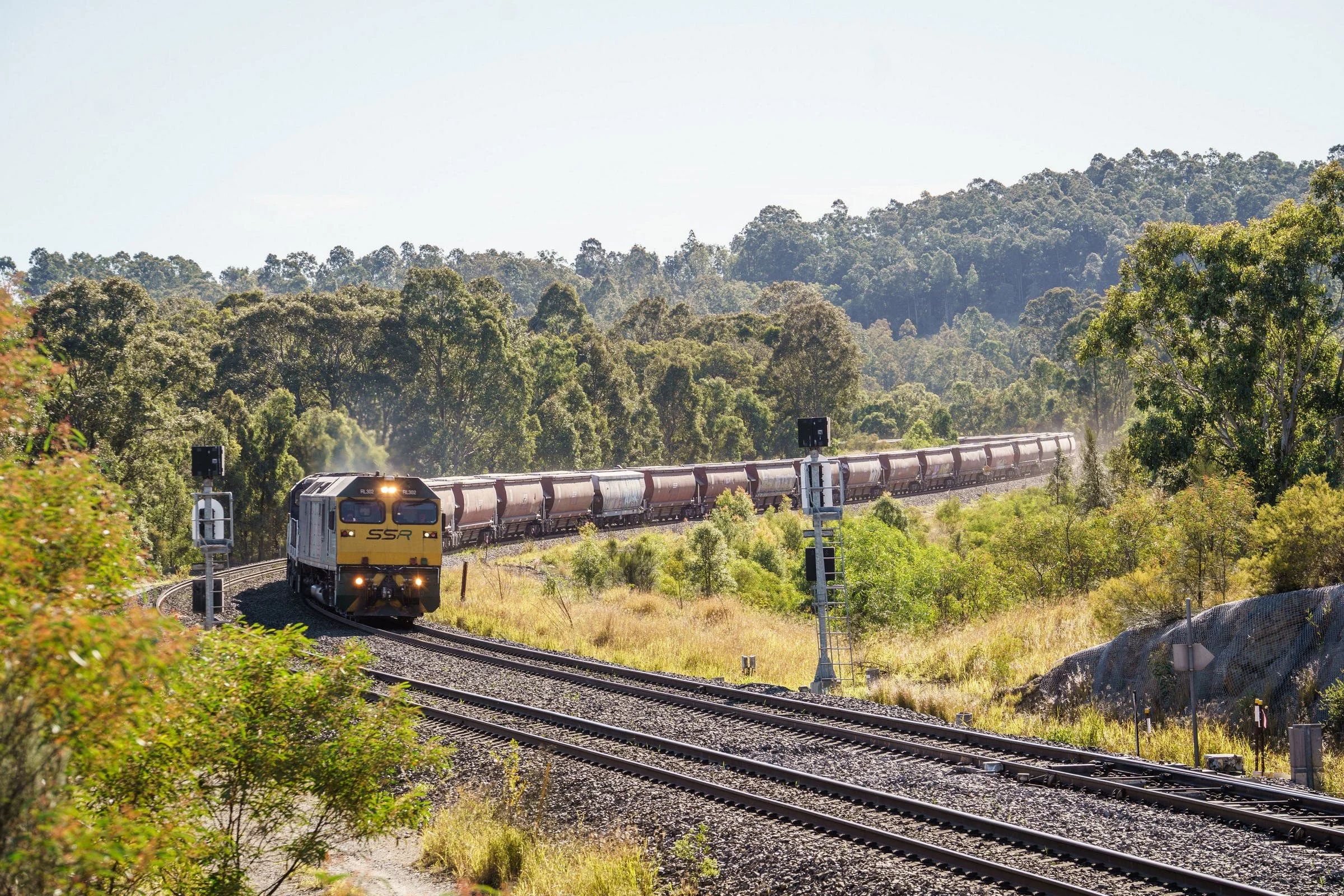
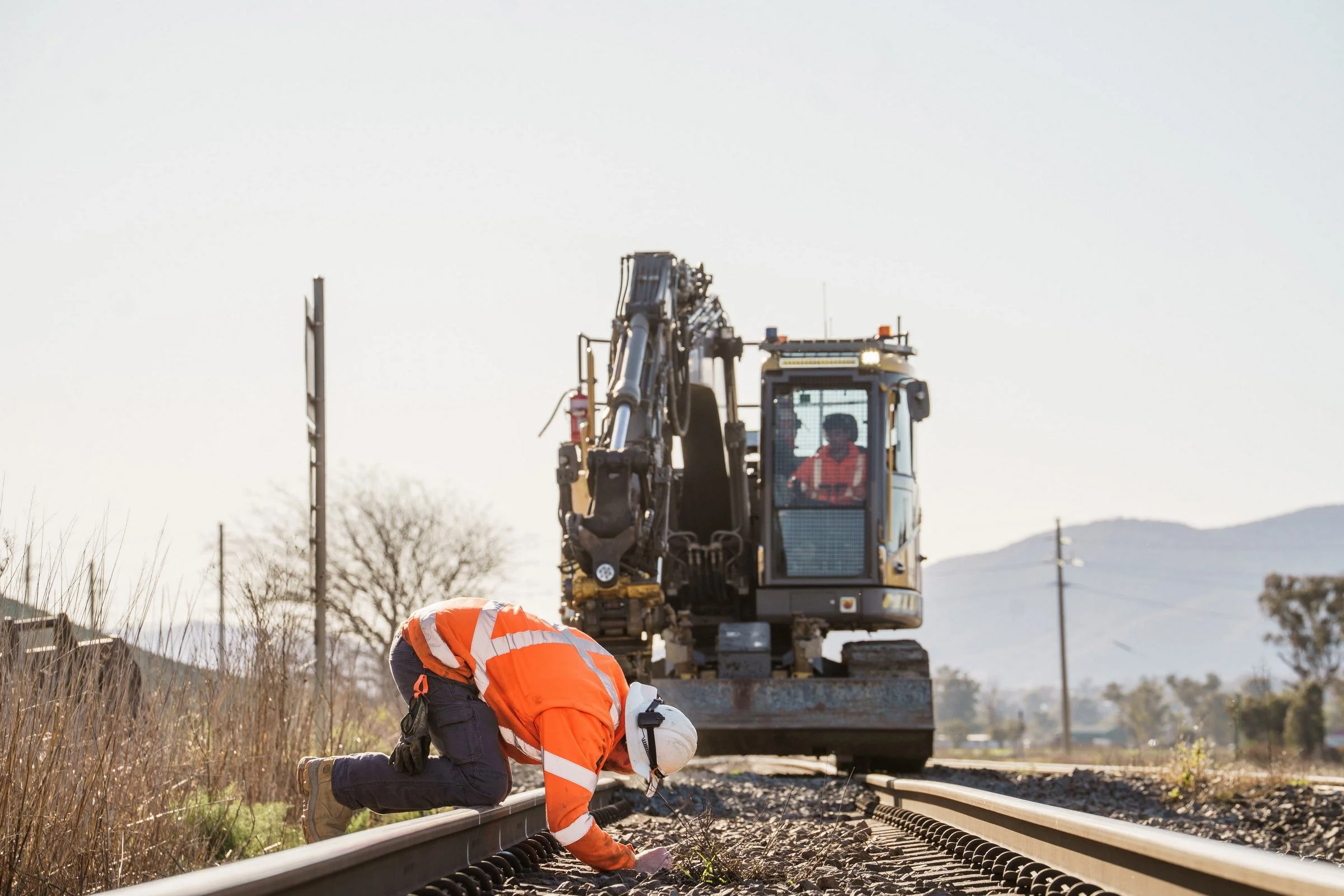
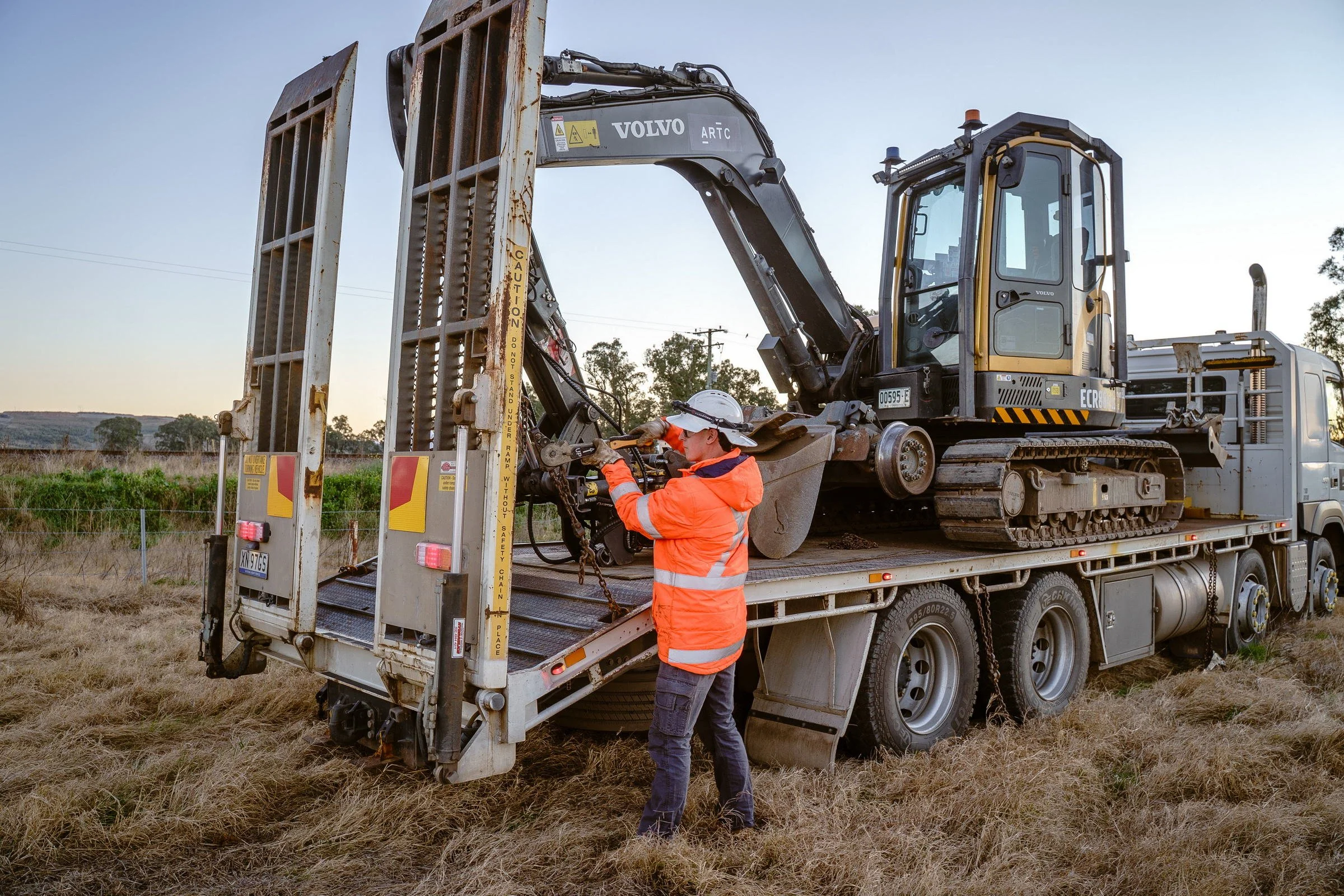
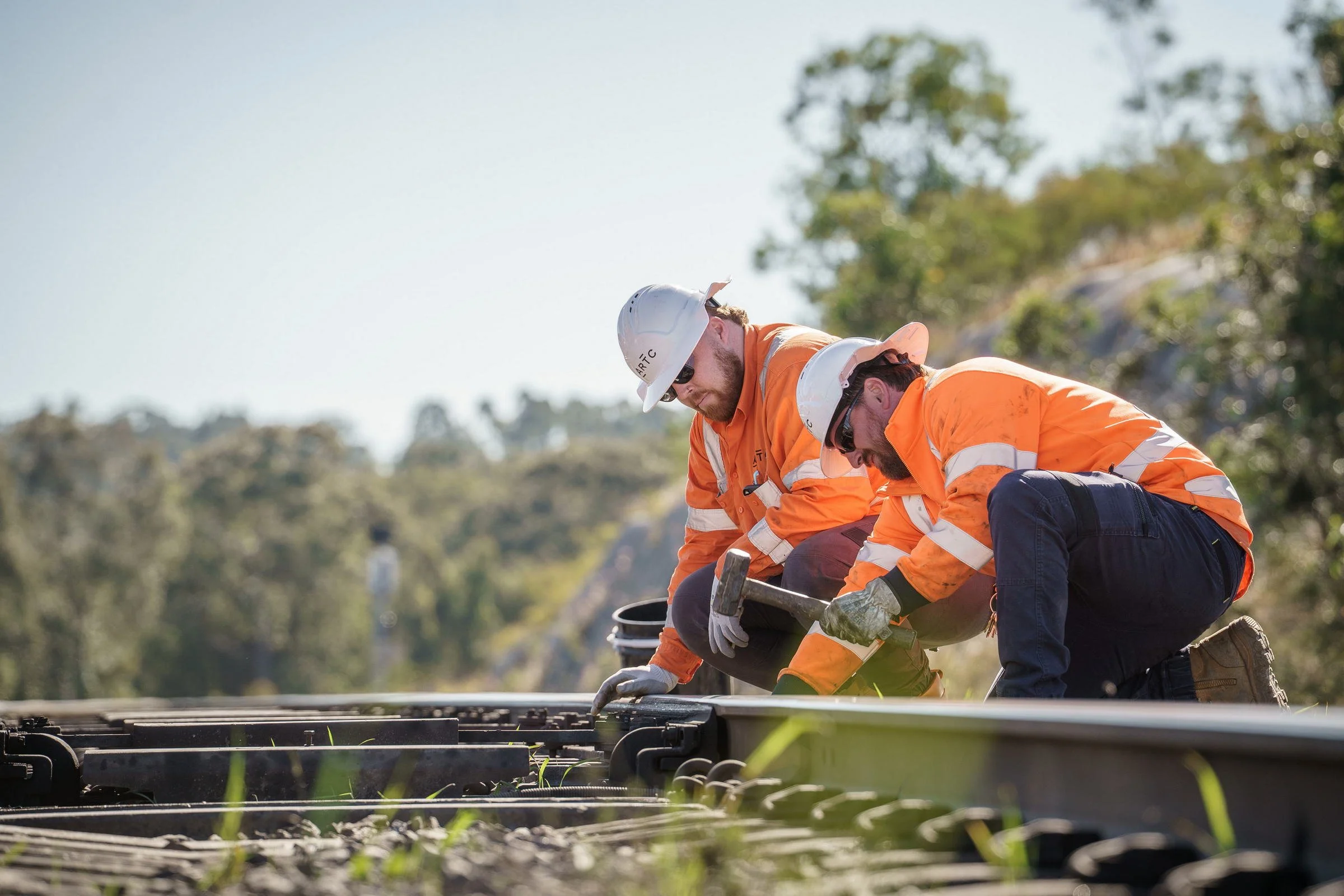
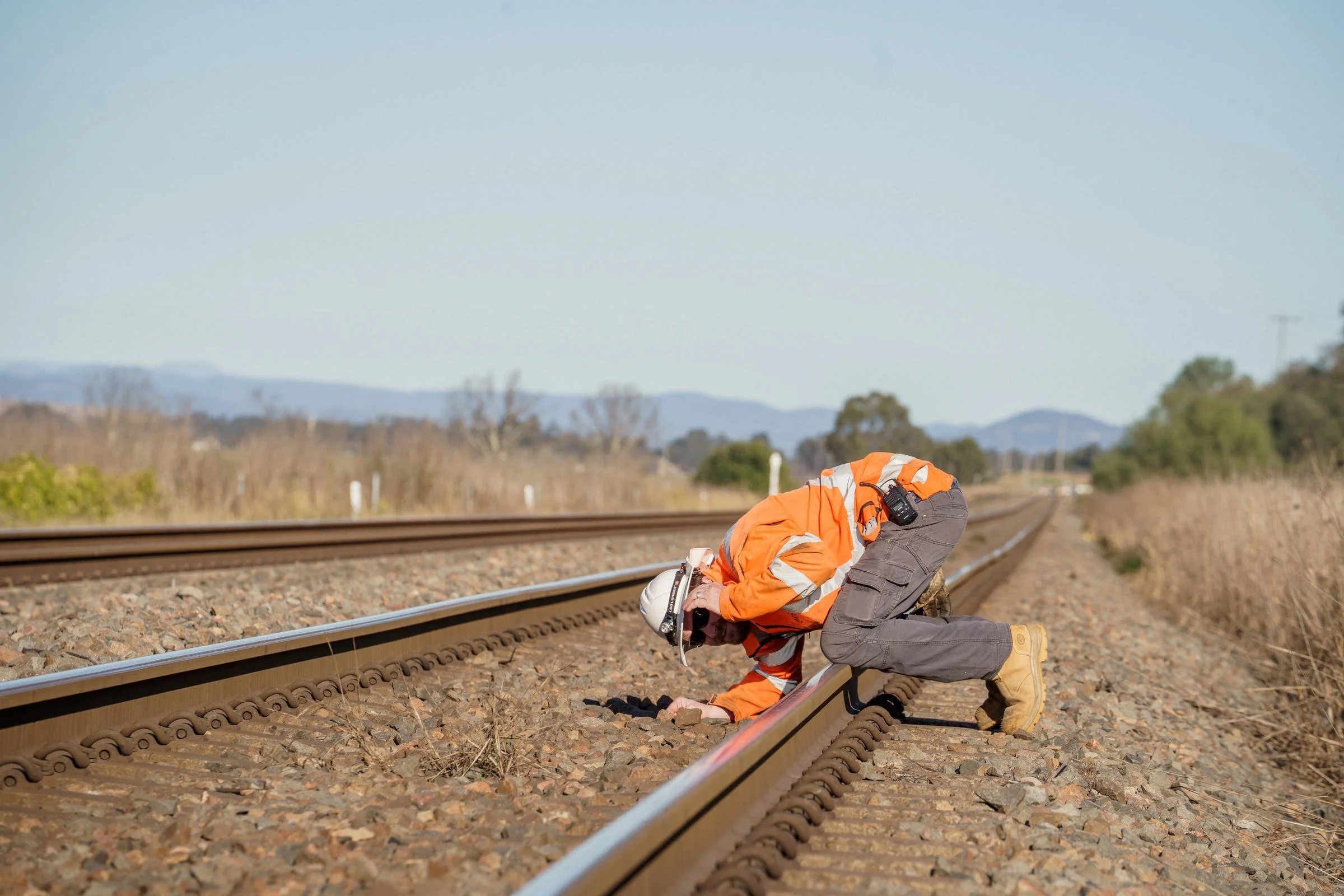
All photography was completed while rail operations were active or recently paused, with strict safety protocols in place at all times. Access to track environments was tightly managed, and all movement was conducted under escort.
The approach prioritised situational awareness, adherence to PPE framing requirements, and respect for operational workflows, ensuring photography could be completed without disruption to rail activity.
Output & Usage
The imagery was produced for use across:
Internal communications
Annual reporting
ARTC’s central image library and brand bank
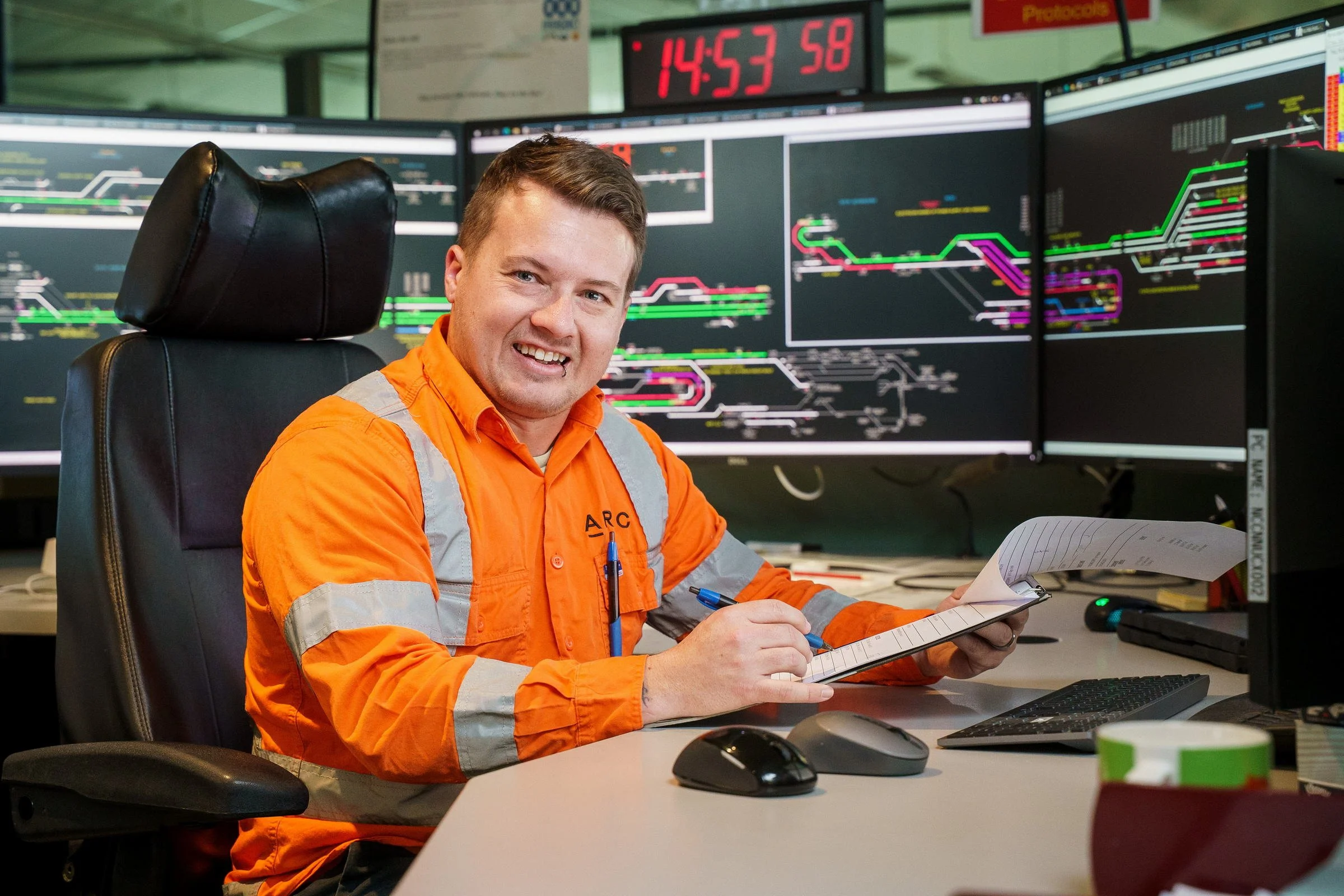
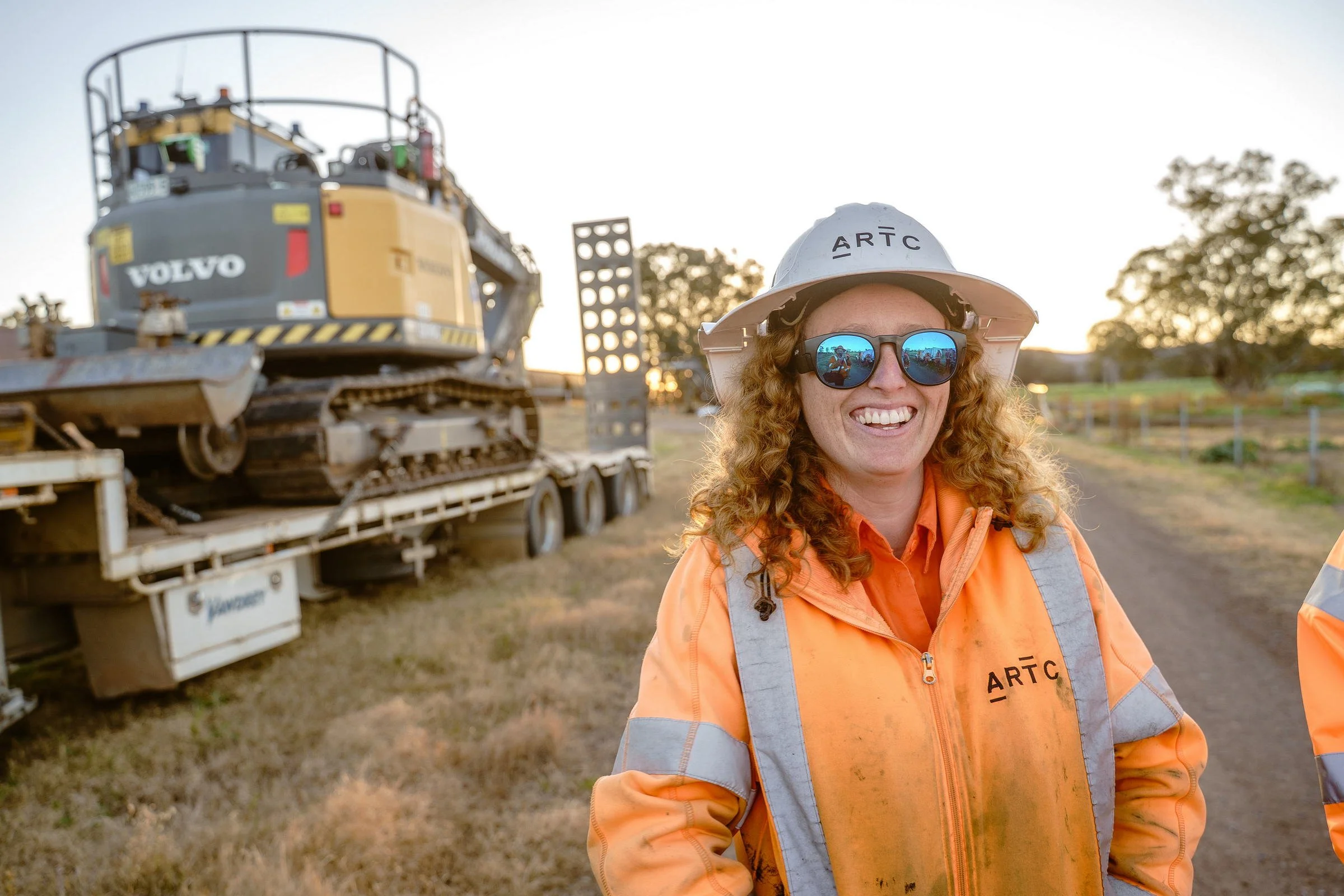
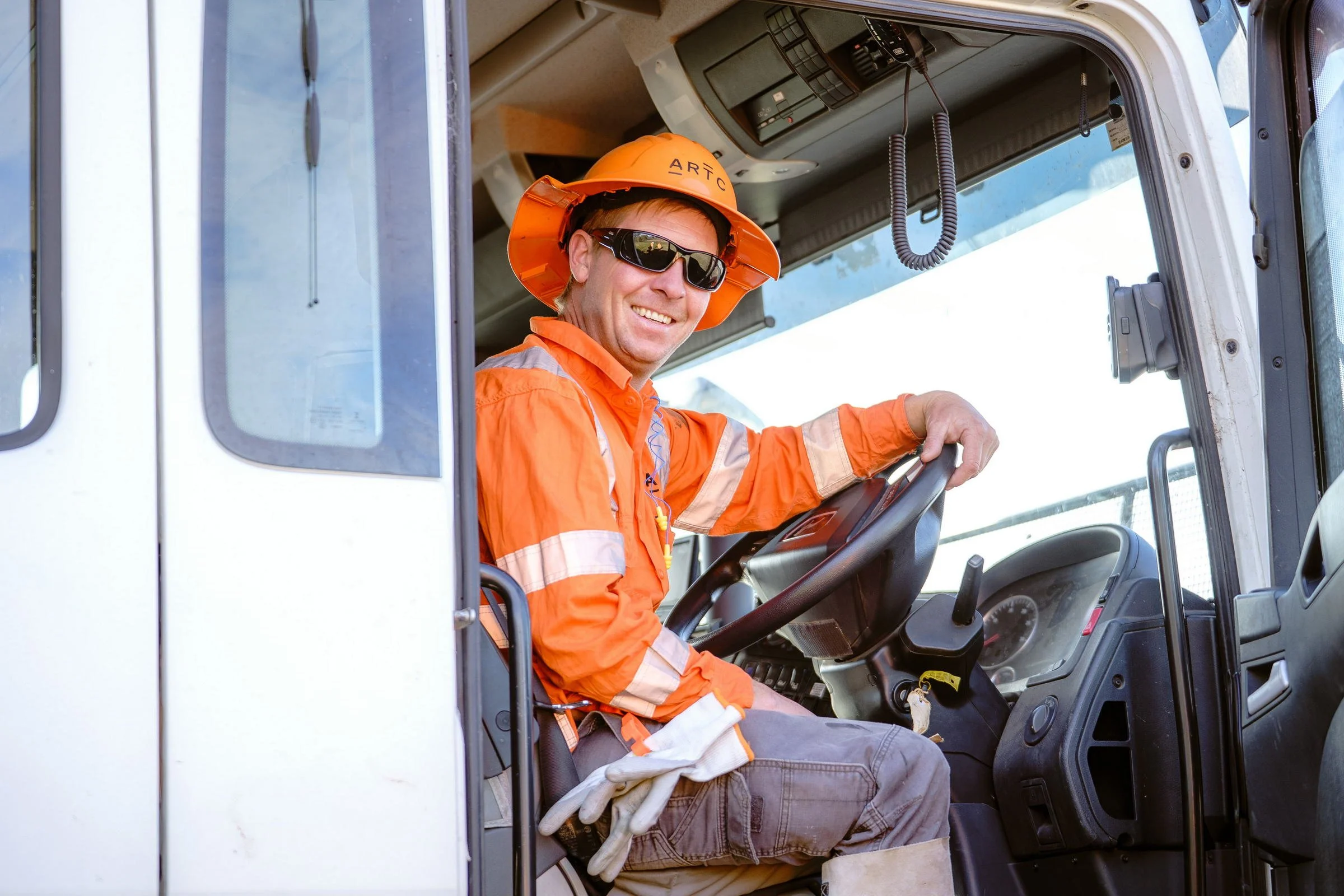
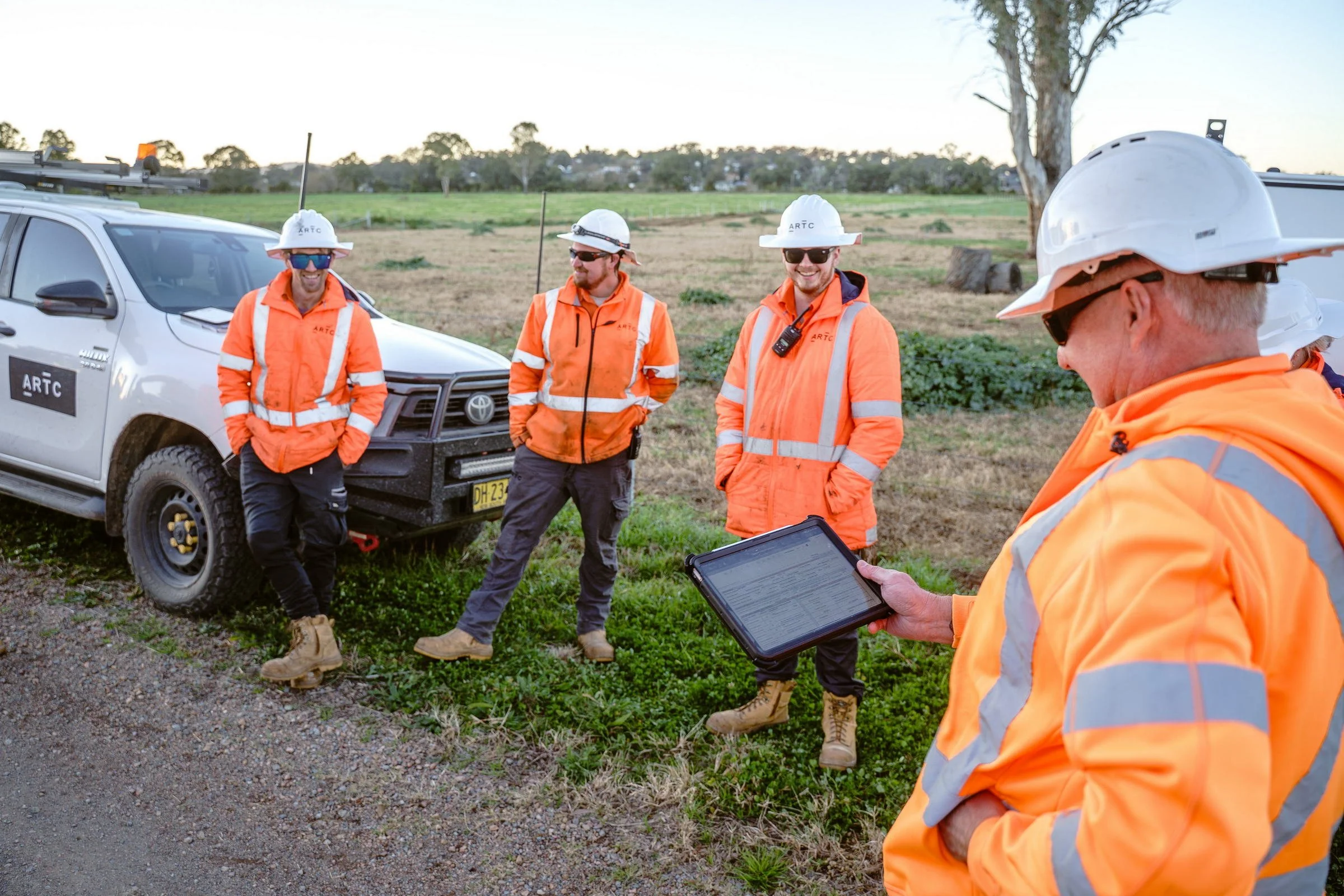
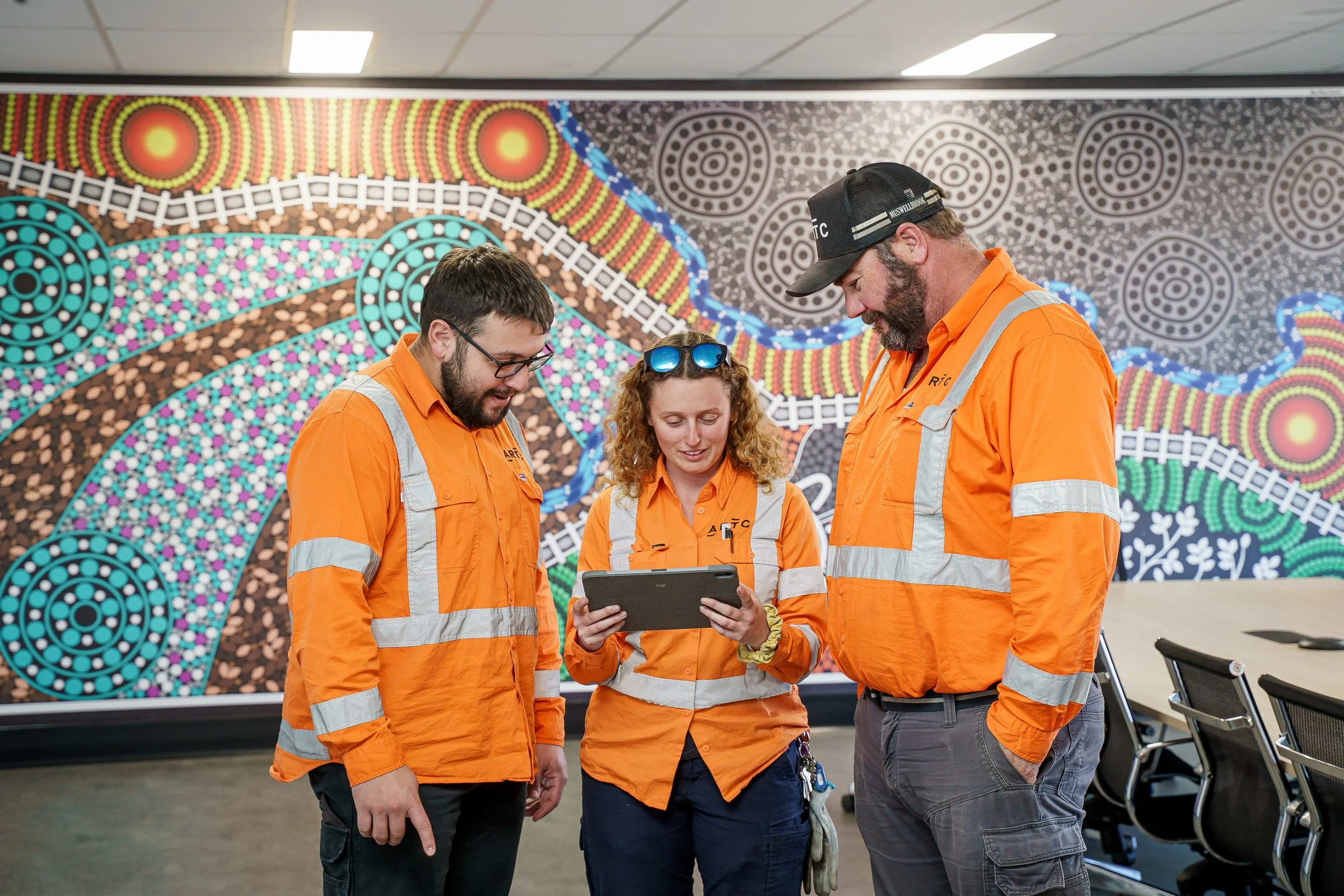
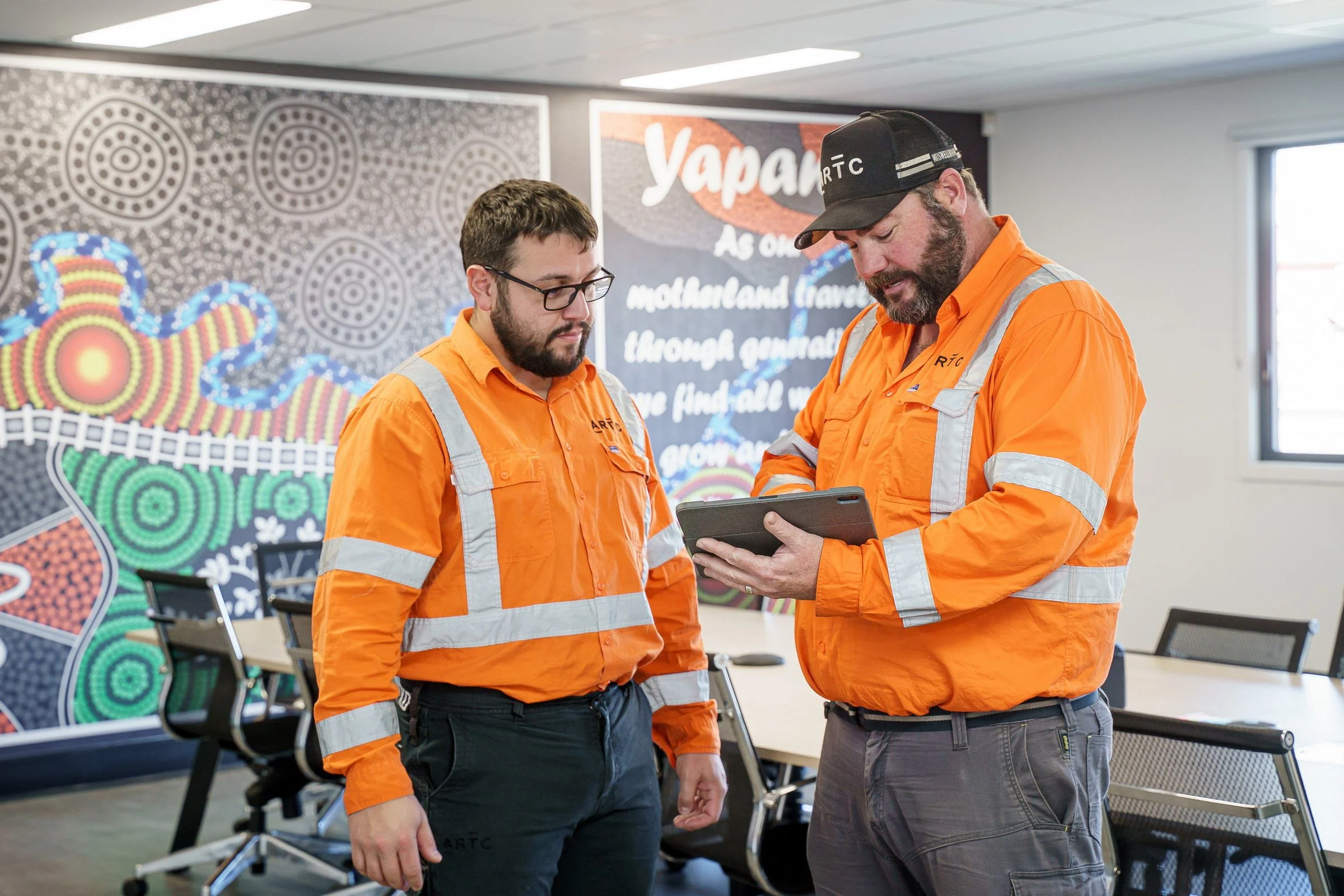
Photography focused on real operational environments, avoiding staged or posed imagery and accurately representing the conditions under which rail infrastructure is operated and maintained.
Working Method
The project required careful coordination across multiple locations and teams, with shoots scheduled around operational windows, access permissions, and environmental conditions.
Key considerations included:
Working within limited time-on-track windows
Maintaining escort requirements at all times
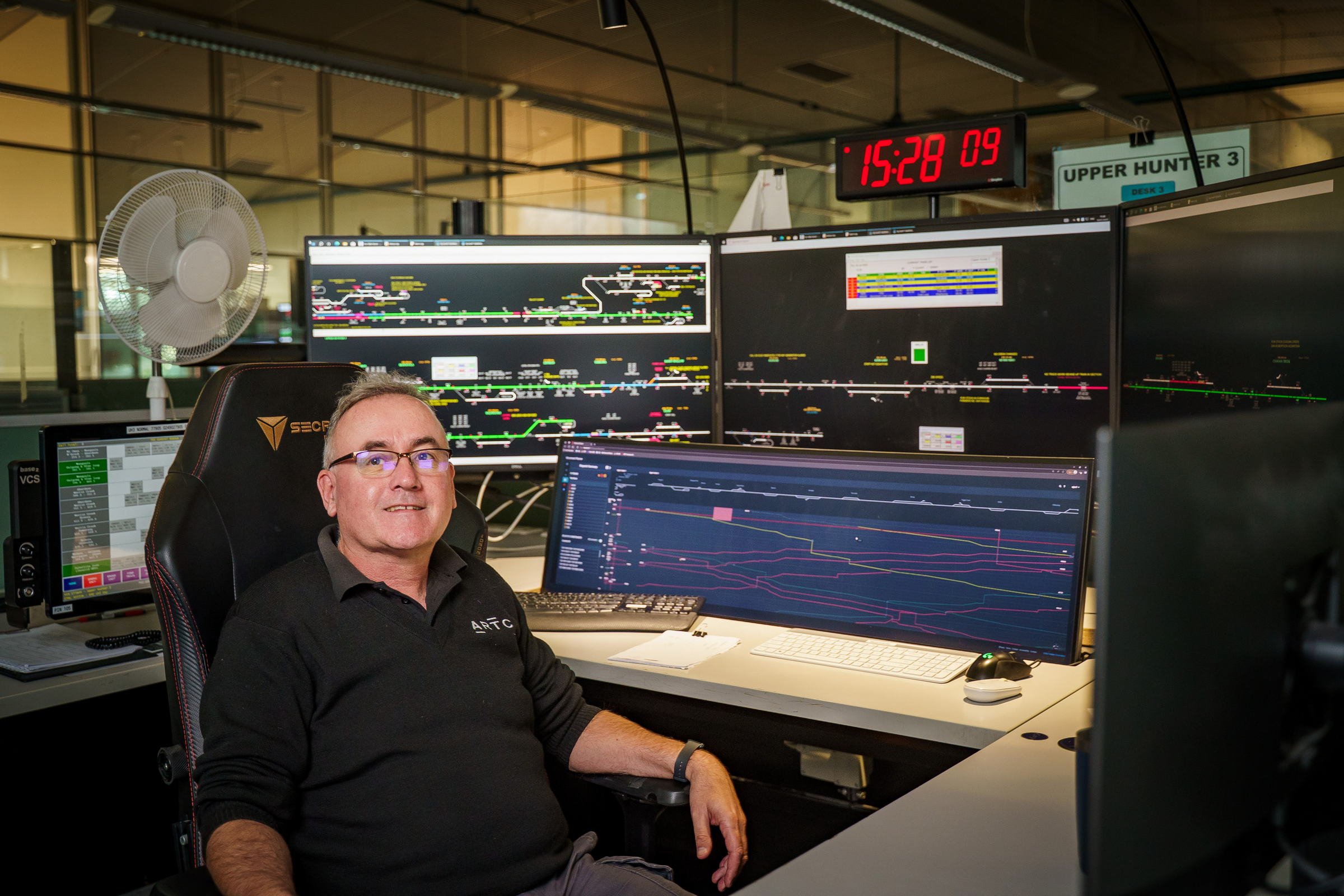
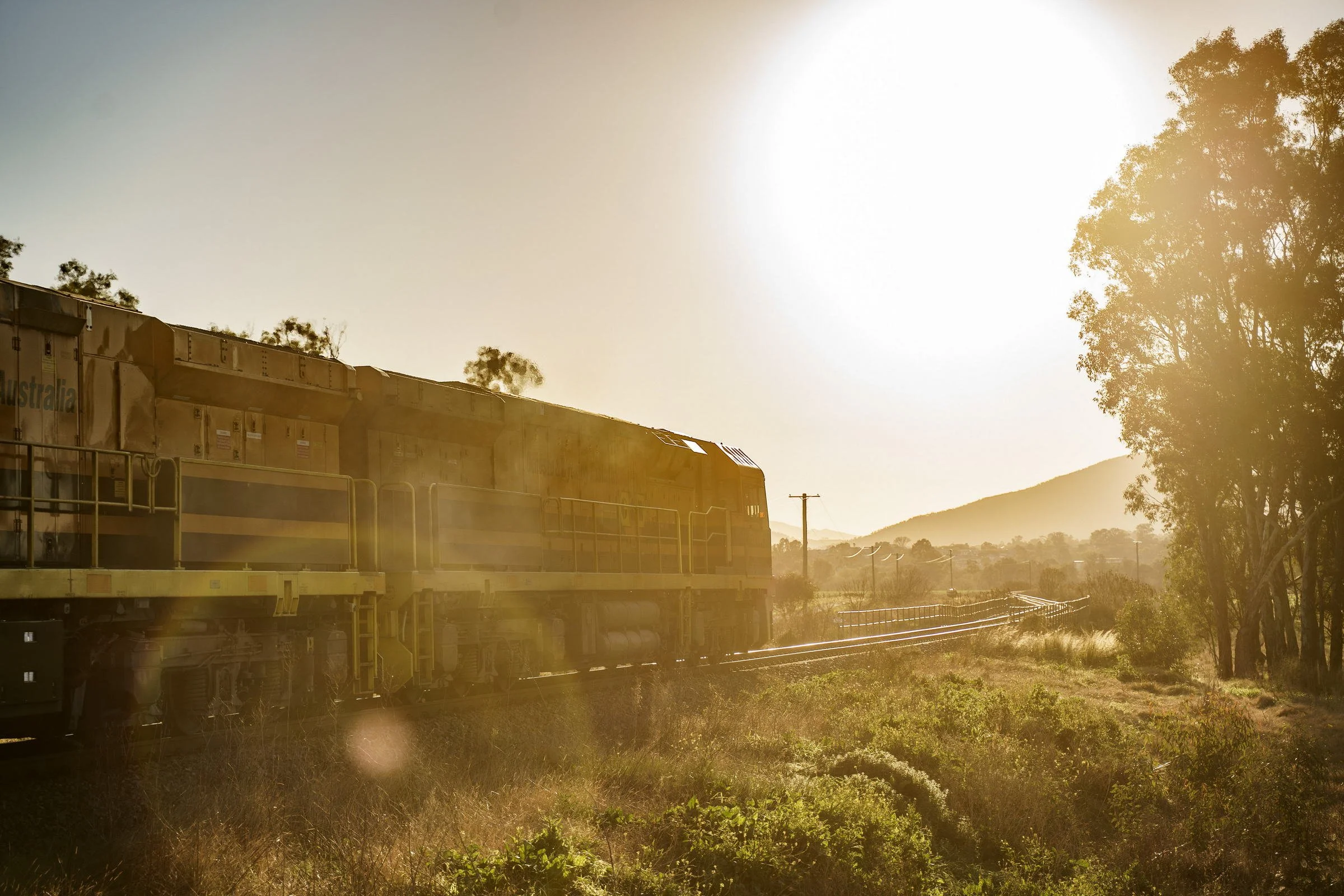
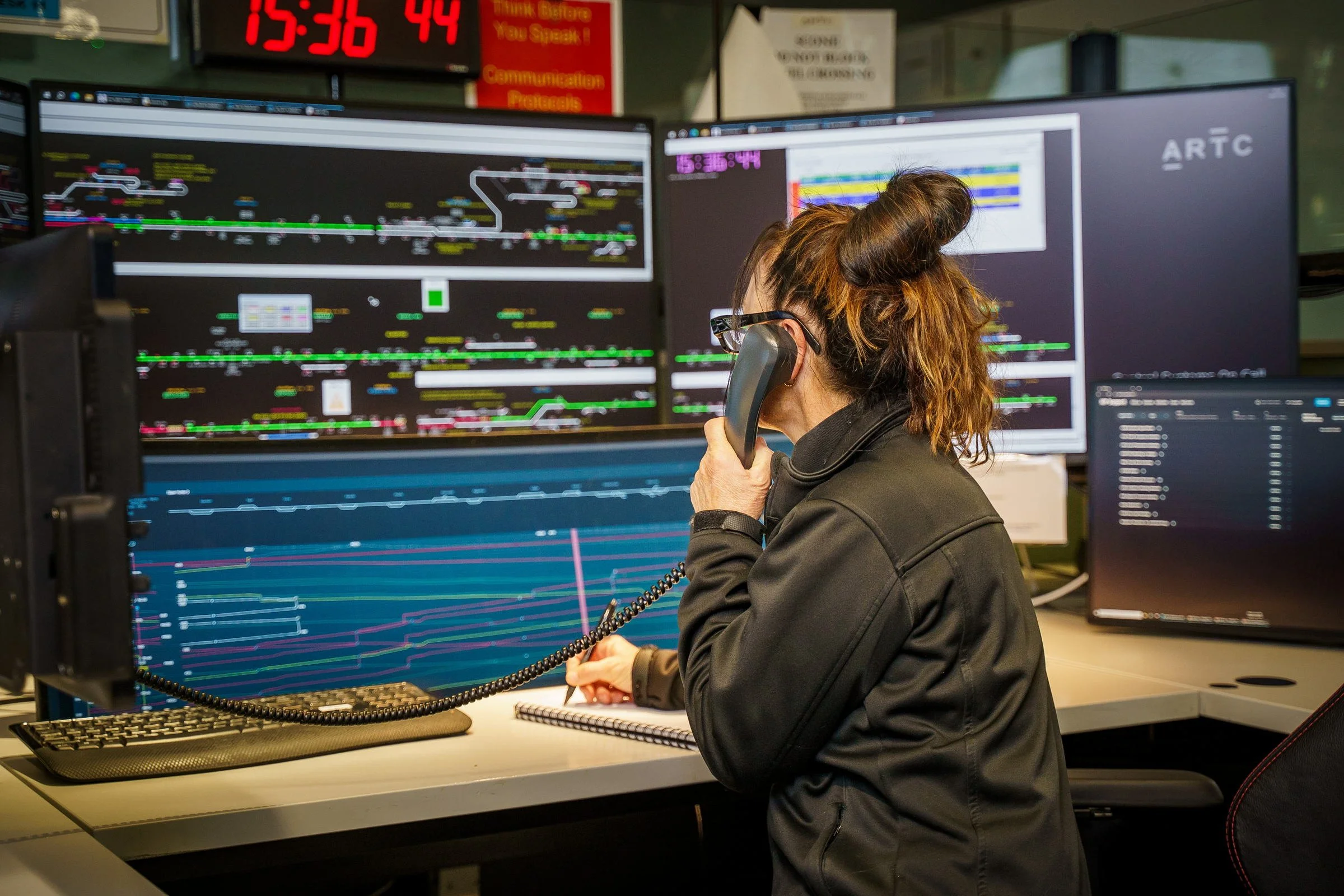
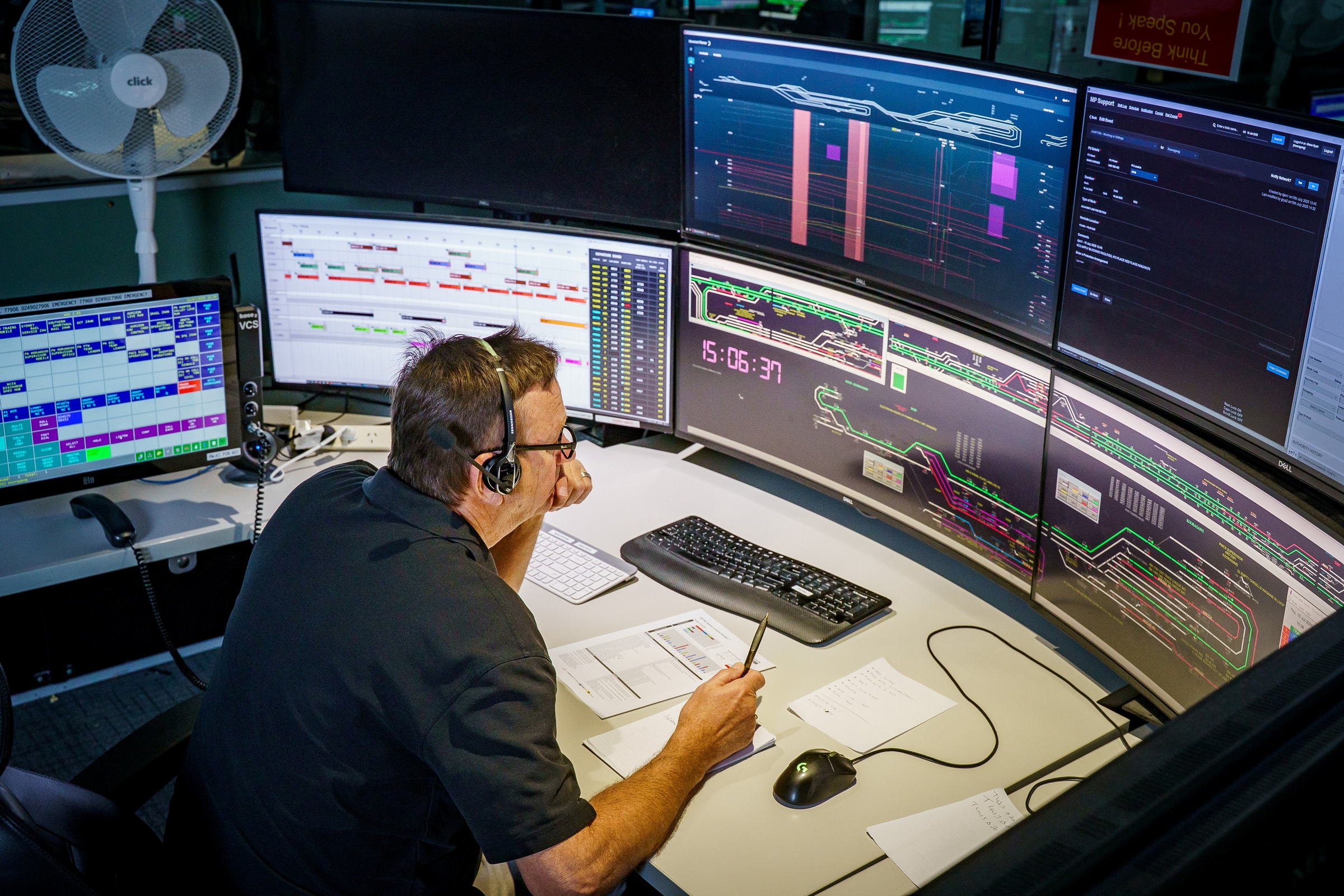
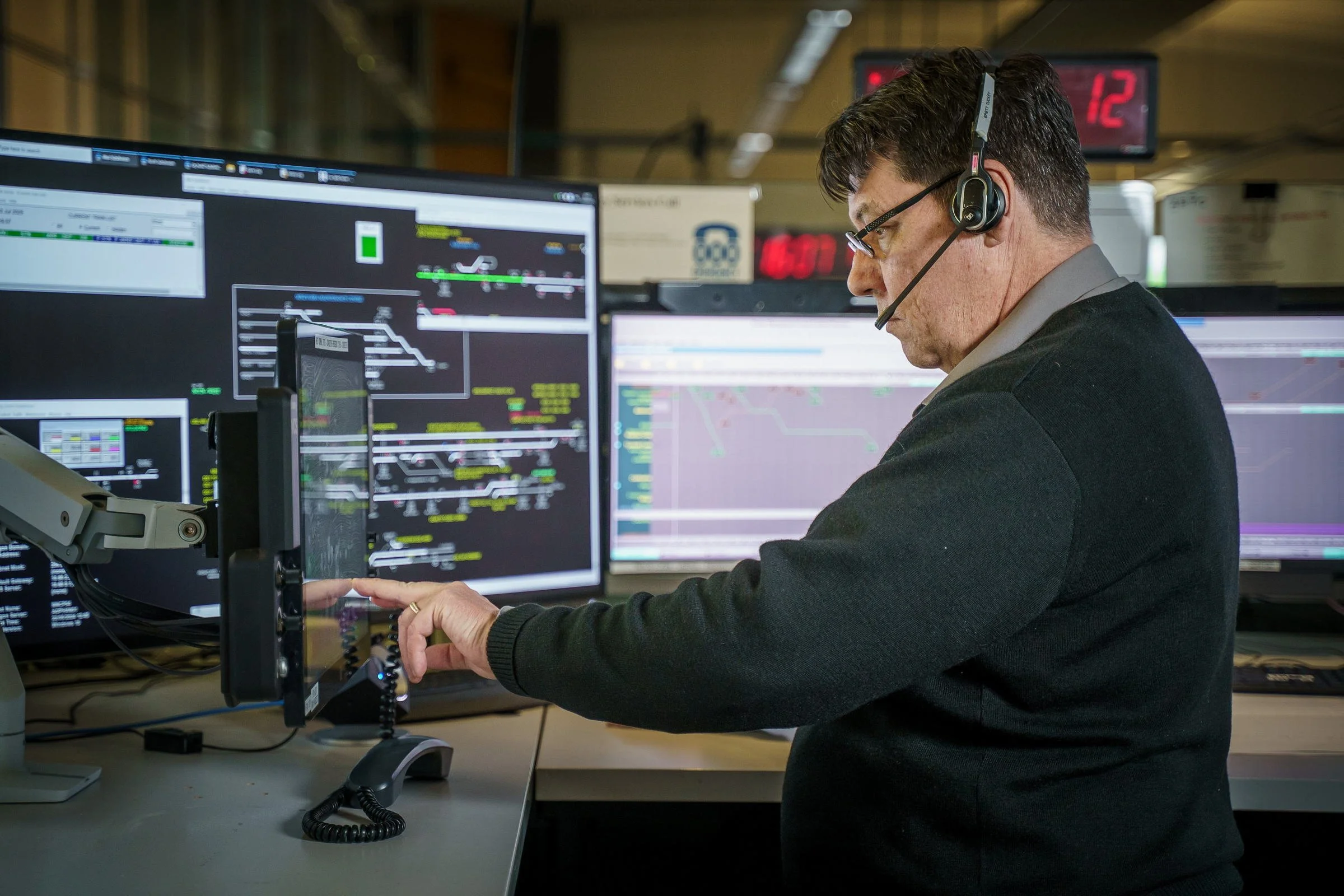
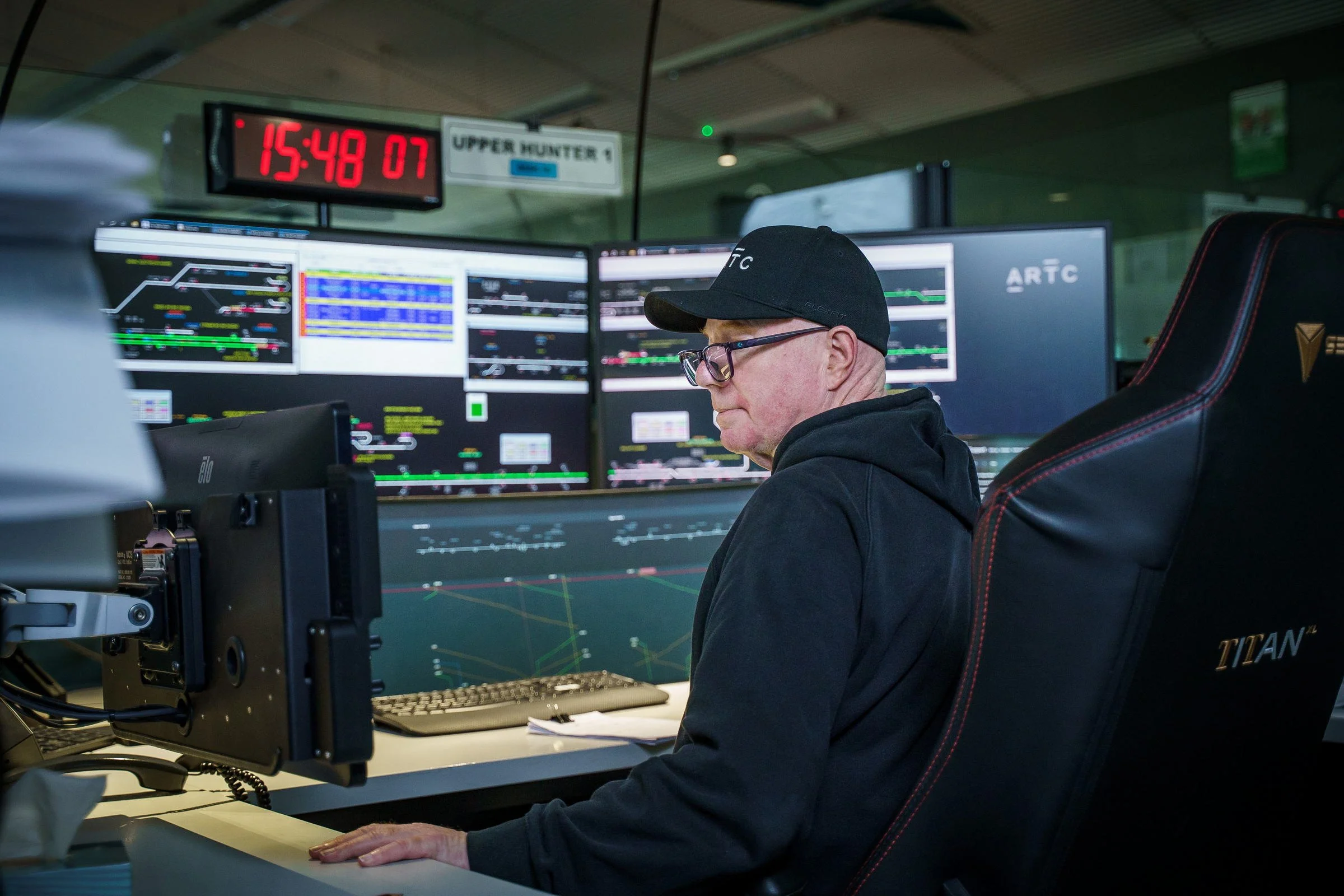
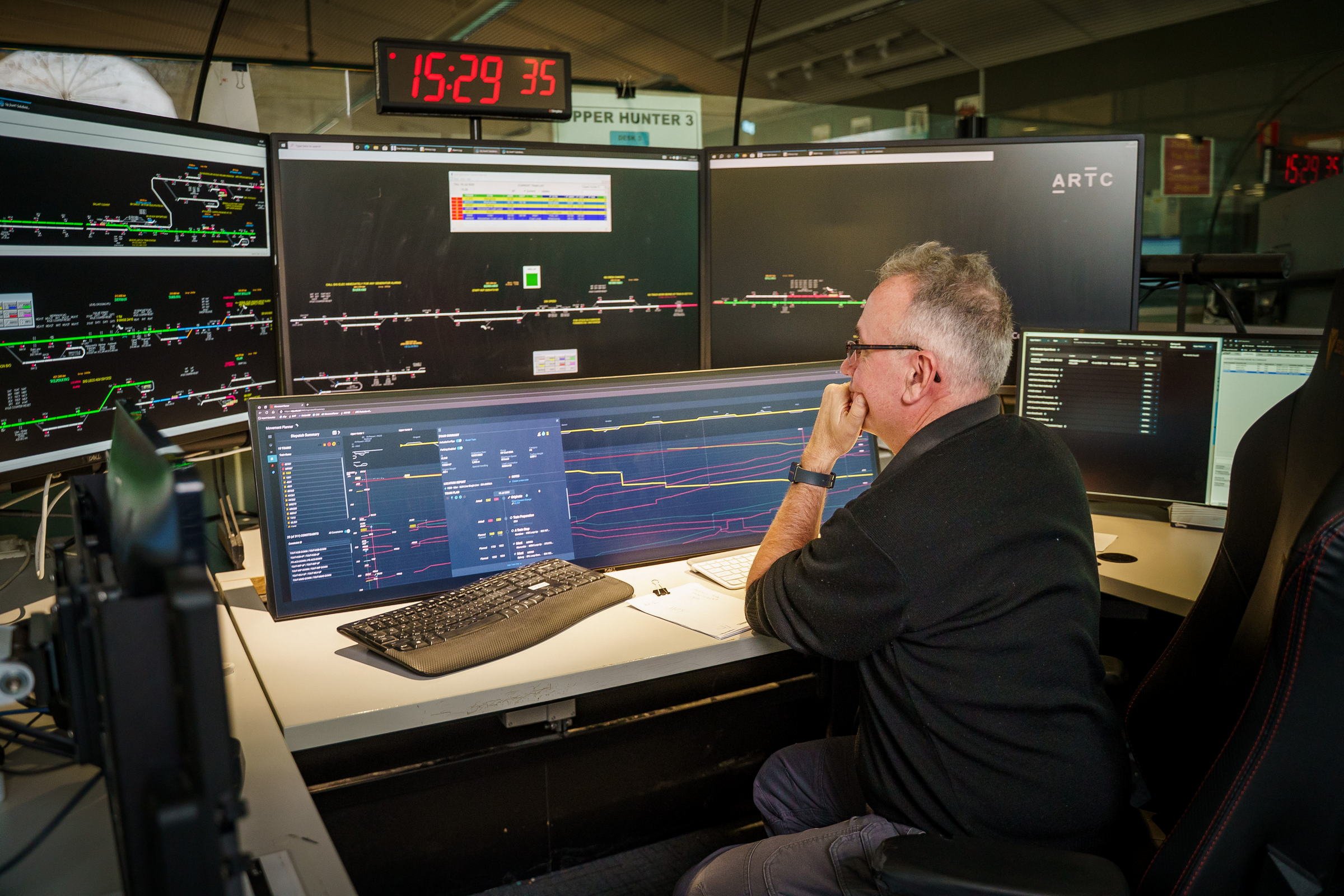
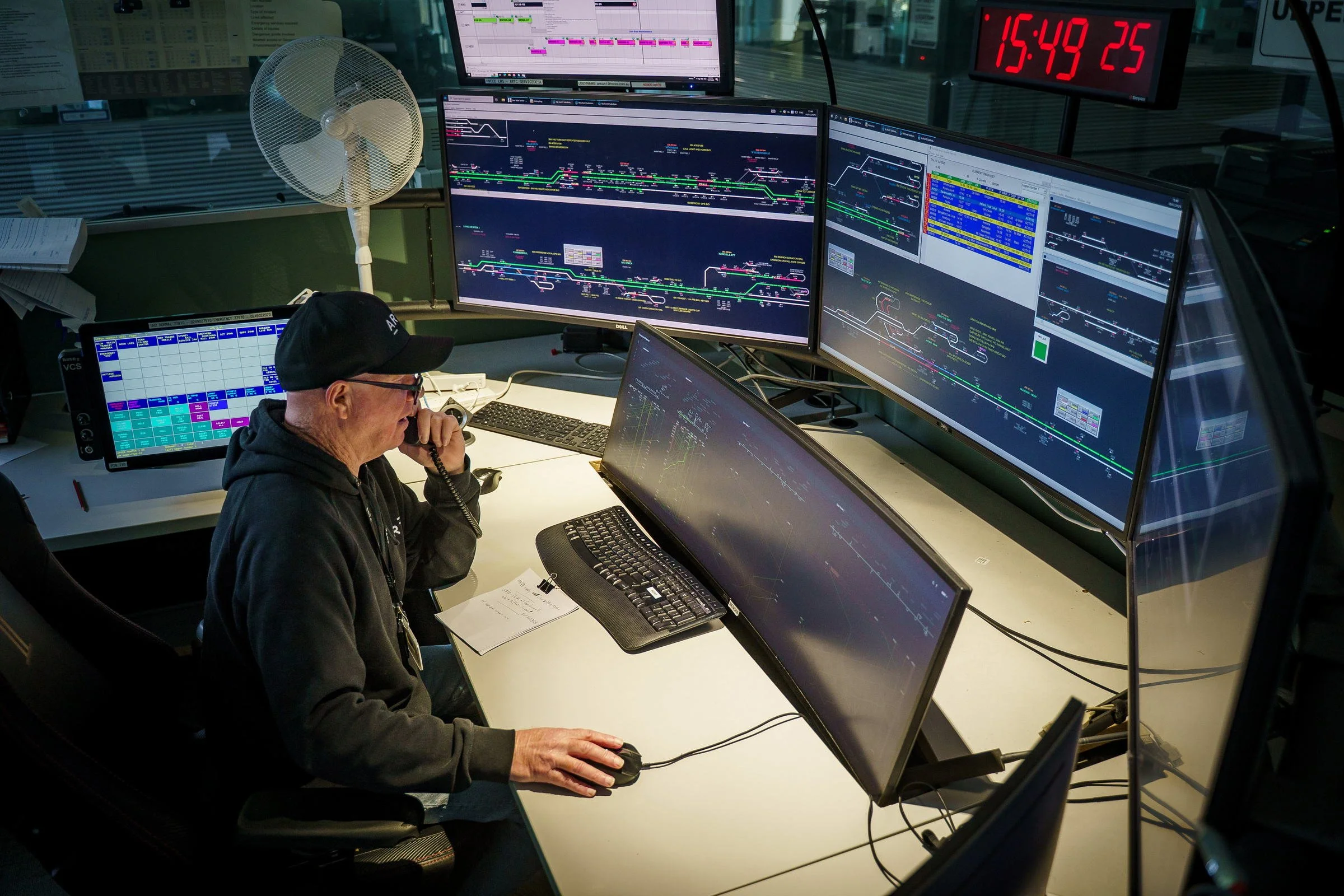
Operating in low-light environments, including network control and dusk conditions
Capturing required shots with no opportunity for reshoots in certain locations
All required imagery was captured within the allocated access periods.
What Made This Job Harder Than It Looks
Live rail movements required constant situational awareness
Low-light environments demanded precise exposure control
Travel and logistics across multiple towns limited flexibility
Some shots allowed no second opportunity due to operational constraints
These factors required a disciplined, safety-first approach combined with the ability to work efficiently under pressure.
Outcome
ARTC now has an updated, accurate industrial photography image library that reflects real operational conditions across its rail network. The imagery supports internal communications and reporting needs while demonstrating a clear understanding of safety, access, and operational constraints within live rail environments.
Need photography for a similar project?
Send through the project details, location, timing and intended image use, and I’ll recommend the best approach.
This project is part of my industrial photography work across mining, infrastructure, and heavy industry.
